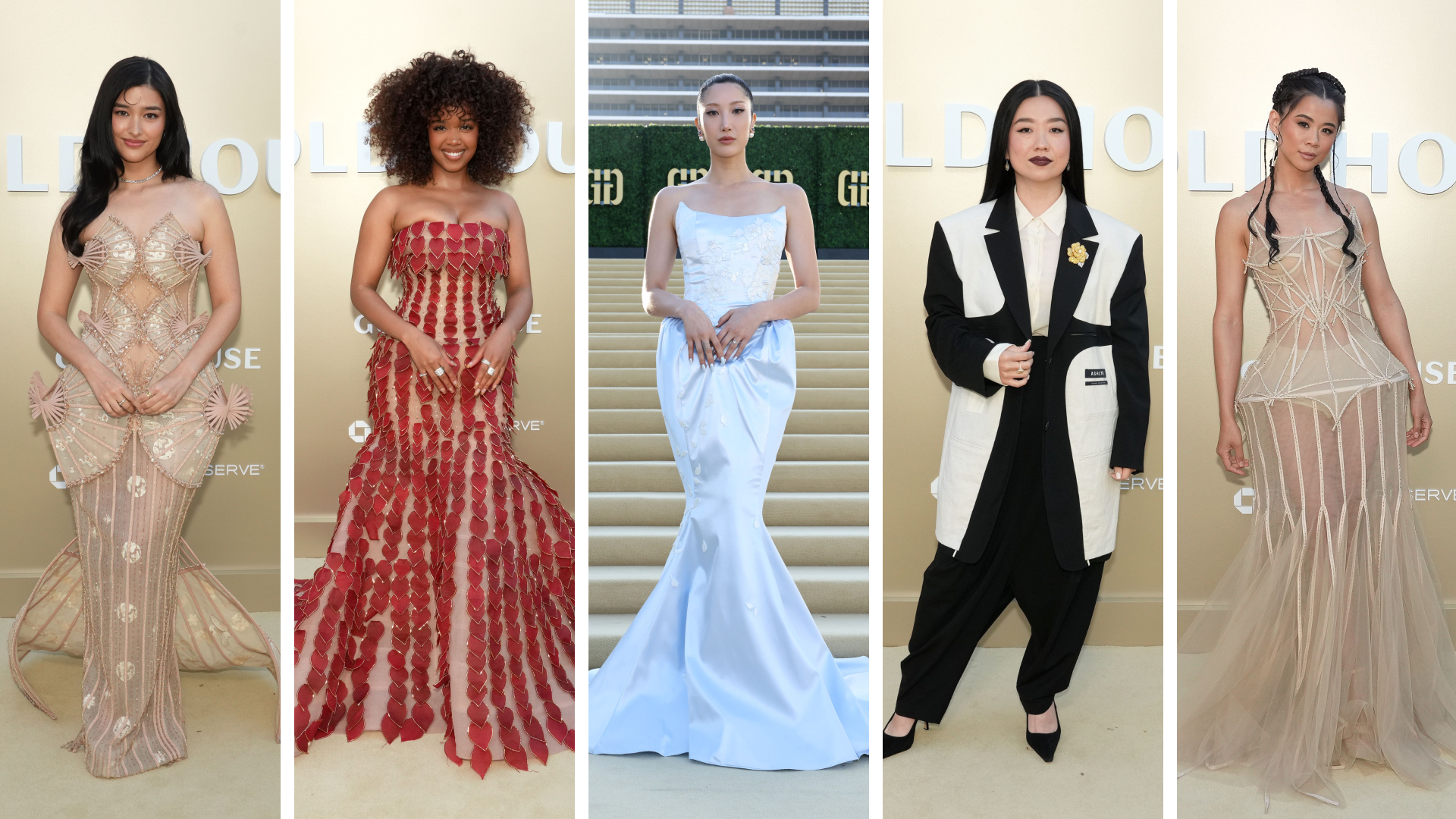
Grammy Week has a way of blurring time. It is a sensory whirlwind of flashing lights and high-stakes anticipation leading up to music’s biggest night. Yet, amidst the rush, there are moments to just be. This was the essence of Golden Hour.
Held on the Saturday noon before the awards, Golden Hour offered a rare invitation to slow down. It was a collective pause to sit in the warmth of community and celebrate the expansive reach of Asian and Asian diasporic artists.
The event marks a vital chapter in the Recording Academy’s ongoing commitment to amplifying its Pan-Asian members. This shift is driven by the Gold Music Alliance (GMA), an initiative born from a vision of intentional representation.
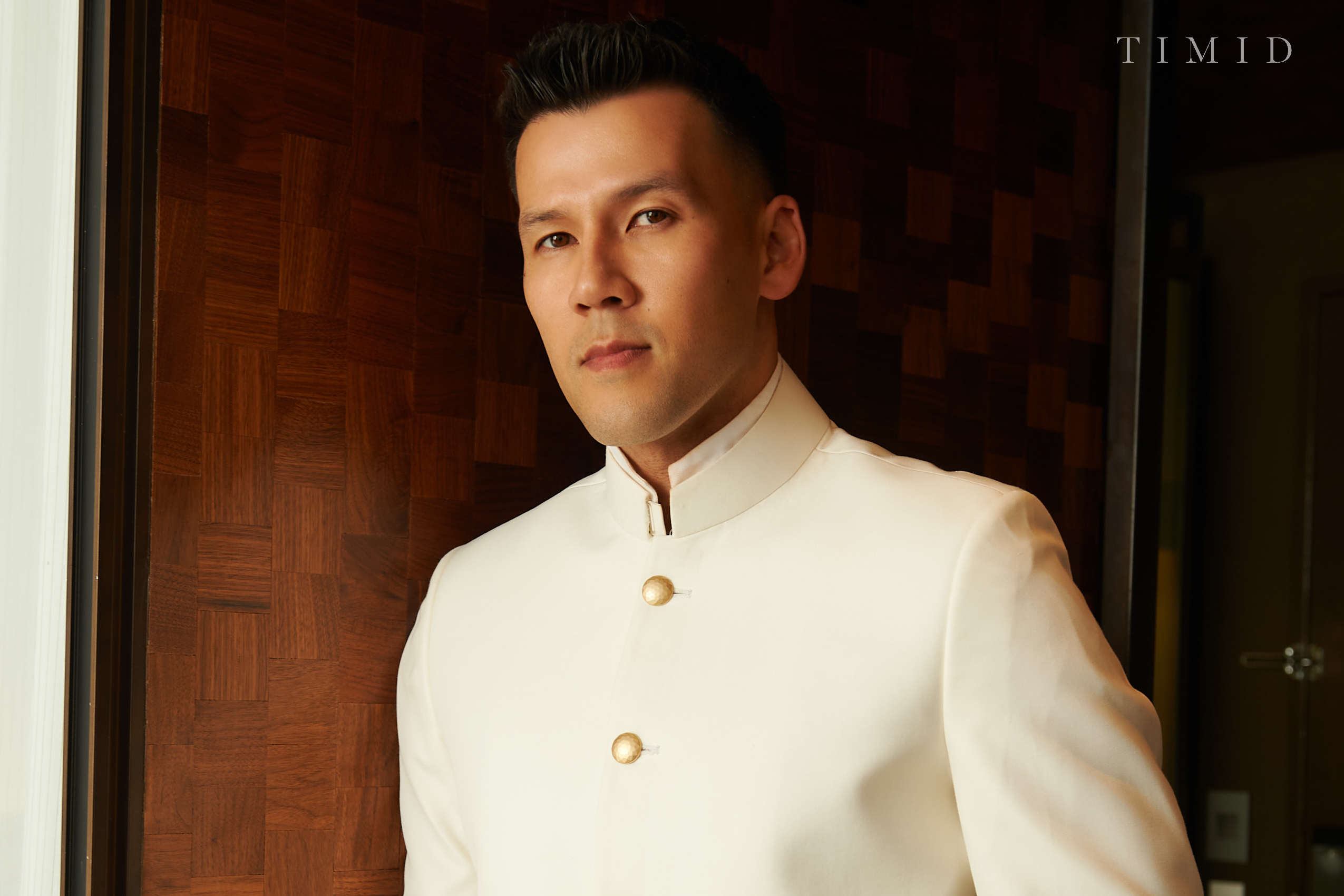
Frankie Yaptinchay, Principal of Industry Relations at Amazon Music and a founder of the GMA, shared the origins of this movement exclusively with Timid, tracing it back to a pivotal proposal. “Several years ago, alongside Jonathan Yip of Stereotypes and Kevin Nishimura of Kakao Entertainment, we introduced a vision to the Academy that became the Gold Music Alliance,” Yaptinchay explained. He described the GMA as an engine designed to "intentionally elevate and empower Pan-Asian artists, producers, and professionals within the Recording Academy.”
The impact of that vision is already quantifiable, signaling a new era for the industry. “Since then, Asian and Asian American membership has more than doubled, an official Grammy Week event has been established, and Asian genres have gained increased visibility through the advocacy of GMA members,” Yaptinchay noted. He expressed deep gratitude toward the Academy’s inclusion and cultural impact teams for their commitment to this "historic moment," adding: “Amazon Music is proud to support a week where Asian & Asian American representation was celebrated across the Grammy' biggest stages.”


This historic momentum was echoed by Ricky Lyon, Director of Diversity, Equity, and Inclusion at the Recording Academy. "We were thrilled to host the inaugural Golden Hour event… at Grammy House this year," Lyon told Timid. "With amazing performances from Stephanie Poetri, MICO, and now Grammy winners ARKAI, it was incredible to witness our Pan-Asian members and allies come together for an unforgettable celebration of community and culture."
The afternoon’s performances reflected the sheer breadth of this community, beginning with the steady, nostalgic presence of Indonesian singer-songwriter Stephanie Poetri. Emerging years ago as a breakout voice with the playful "I Love You 3000," Poetri has matured into an artist who takes the stage with both grace and intentionality.
Accompanied by Dorothy Chan (of the duo sundial), Poetri’s setlist felt like a bridge between her roots and her future. She moved seamlessly from the 2015 Indonesian track "Bimbang" to the evocative "My Hometown is Sinking," and offered a glimpse into her soul with the unreleased "Mother Tongue."
Reflecting on the invitation to perform, Poetri admitted that the shift in the industry's landscape is palpable. "When I got that email, I was like, 'no way,'" she said. In the past, there was a nagging anxiety about whether a space would even exist for her. "I think the fact that there’s more opportunities to do stuff like this means the world to me. Now I realize, if we all speak up, there will be spaces for us, as long as we don’t stay quiet."

If Poetri represented the wisdom of the established guard, Canadian-Filipino artist MICO embodied the electric spirit of a new class of risk-takers. Currently a Juno Award nominee for his 2025 album Internet Hometown Hero, MICO’s set of "Senses," "glhf<3," and the Haiden Henderson collaboration "Parasite," pulsed with the energy of an artist who refuses to play it safe.
"I think just betting on myself and the vision we had for the last project really paid off," MICO said. In an era dominated by rapid-fire content, MICO chose world-building over trends. "We have a character. We have this setting. Let’s just go all out on that and let everything else kind of happen around it."
While MICO takes leaps into the future, the duo ARKAI grounds the community in the power of instrumental storytelling. Violinist Jonathan Miron and cellist Philip Sheegog delivered a masterclass in electroacoustic fusion, performing "Tokyo Sidecar" and "Patchwork" alongside "Sun Drifter" from their Brightside, which would go on to win the Grammy for Best Contemporary Instrumental Album.
"It means everything to us," Miron said. "Both Jonathan and I are half Asian... to be here, representing that community through our voice—which is music—it’s a huge honor." Miron was quick to point out that their presence on stage was the result of a massive, collective engine. "It’s a community effort for greater representation and greater celebration of what Asian Americans are contributing to culture."
This array of performances ranging from Indonesian "mother tongues" to modern instrumentals reflects the current depth of the Asian diaspora. It is a momentum mirrored on the global stage, from the viral dominance of Rosé’s "APT" to the historic moment of Kpop Demon Hunters’ "Golden" becoming the first K-pop song to win a Grammy.
As the sun set on Golden Hour, it was clear that more than the California sky, the real warmth in the room came from the glow of a community finally stepping into its own light.