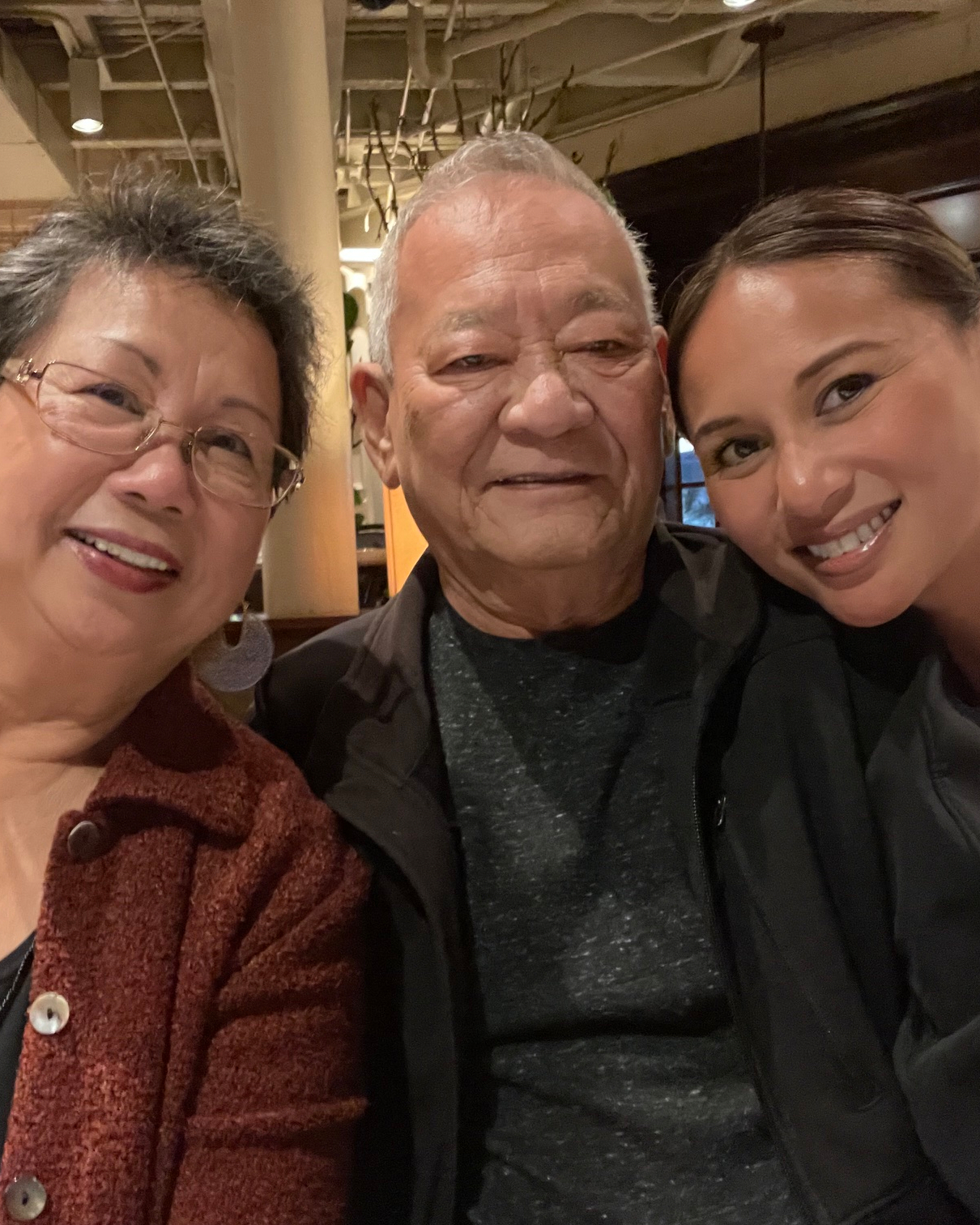
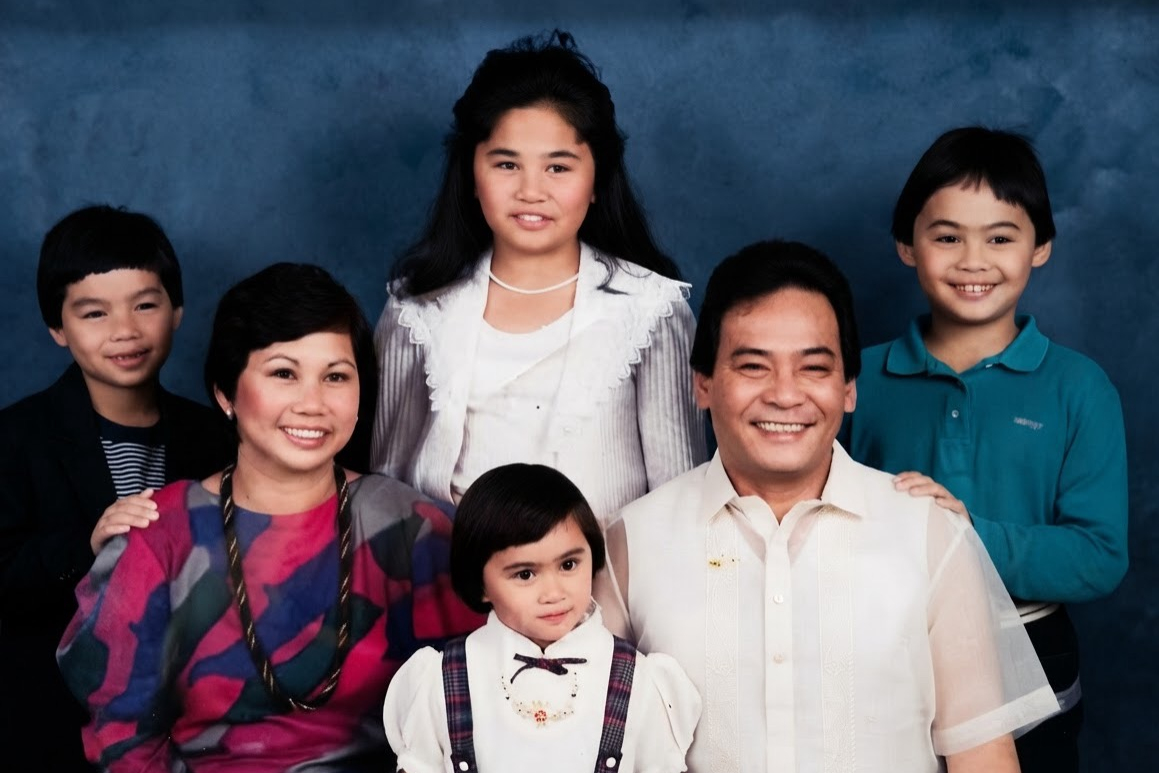
When my father called a family meeting, the four of us climbed onto our parents’ full-sized bed. This was before cell phones and laptops, when a serious conversation meant nothing but eye contact. We had moved from the Philippines to Juneau, Alaska, and he wanted us to understand that people might notice how we looked before they learned who we were. It was our responsibility, he told us, to be the best and the smartest, so that anyone’s interaction with a Pelayo would leave them with a positive impression of all Filipinos.
Soon, our elementary school knew the name. Teachers had one Pelayo child after another, three years in a row, and then me four years later. My siblings’ assignments became classroom examples. By the time I arrived, expectations were waiting for me. I had very big shoes to fill.
What I did not yet understand was what my father carried into those family meetings. He had crossed an ocean as a young Filipino engineer, tended bar in the United States, returned home to marry and begin a family, then made the journey again with all of us in tow. He knew we might not be given the freedom to be ordinary. Excellence was how he tried to protect us.
Years later, a college friend began railing against immigrants. “They should all go back to where they came from,” she said. She made this argument while sitting beside two immigrants she considered close friends. I let her finish, then told her that if she believed that, we would not be sitting beside her.
“I don’t mean you guys,” she replied.
I understood the intended reassurance. I also understood its cost. We had been granted an exception, not belonging. Somewhere inside me, my father’s lesson tightened: be good enough, useful enough, familiar enough, and perhaps you will be spared from what is said about everyone else. It’s a conversation that would stay with me and fuel my desire to tell stories that could introduce people to families like mine.
For a long time, I thought finding my voice would require me to become louder. I had been raised to listen, prepare, respect the room, and contribute something positive to it. Those values made me attentive. But entertainment is a difficult business. Creating a show requires more than being capable or collaborative. You have to become formidable in your judgment and know when listening has done its work.
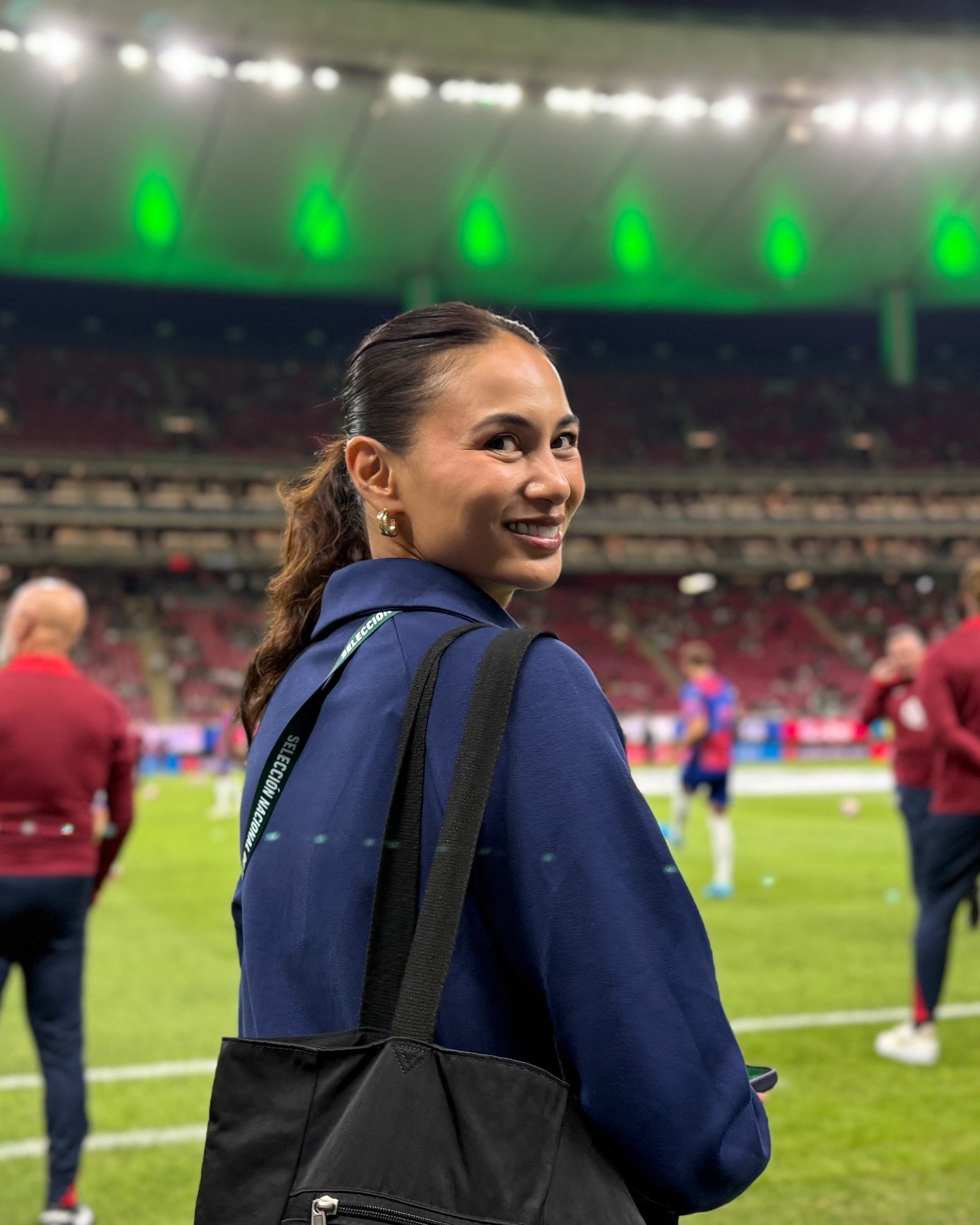
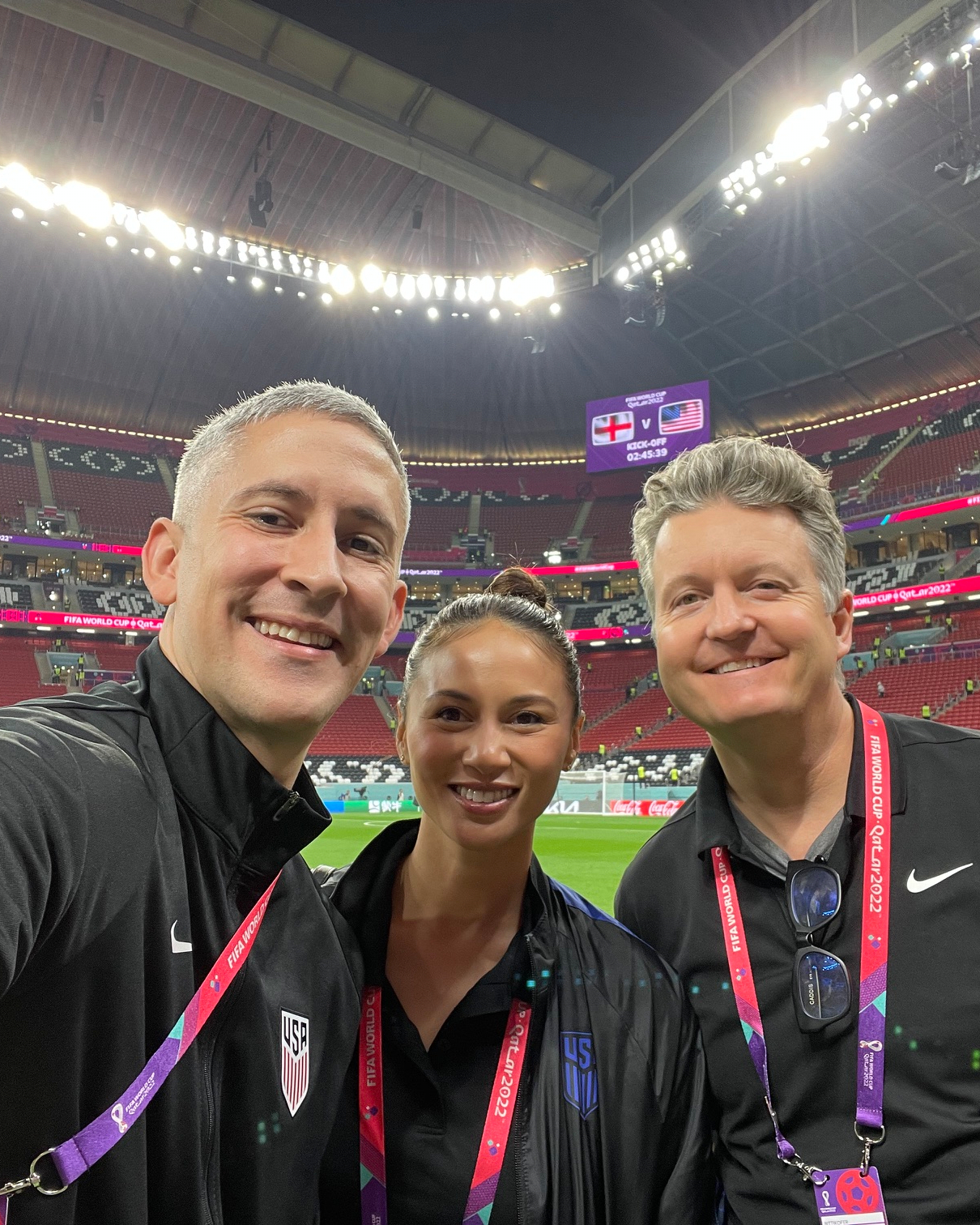
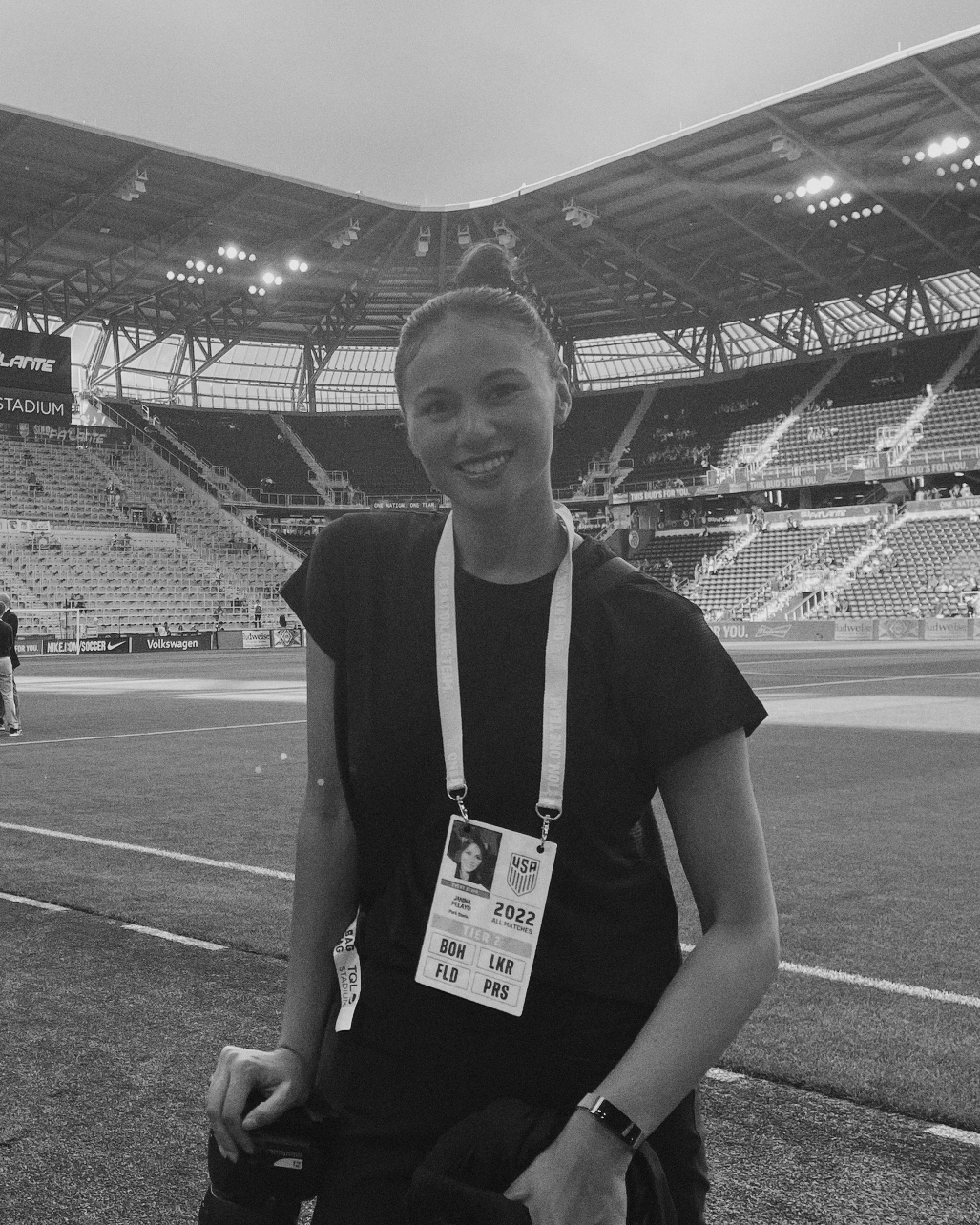
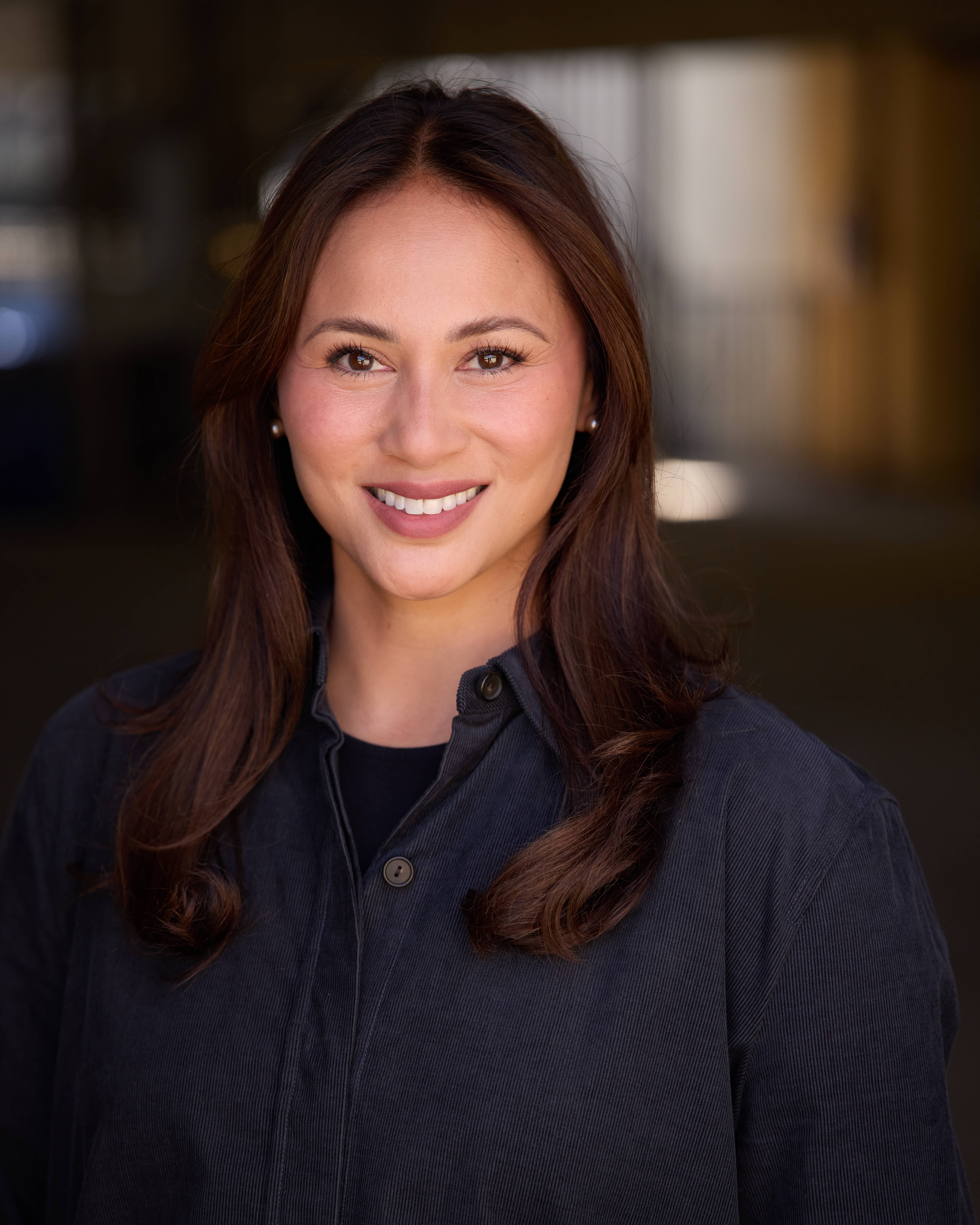
I found that line while producing U.S. Against the World, a documentary series following the U.S. Men’s National Soccer Team across the four years leading into a World Cup at home. I was a Filipina immigrant helping shape the story of America's team, and I wanted viewers to get to know the men behind the jersey—where they came from, who raised them, and what it had taken to get there.
The athletes had given us access, but access was not permission to take whatever we could get. Their trust was earned and our responsibility was to protect it.
That conviction was tested over and over again. Entertainment, including documentary storytelling, can be drawn toward the most sensational aspects of a story. Tabloid headlines and media-fueled “controversies” may be part of someone’s journey, but they rarely tell us who that person really is.
At Park Stories—the production company I co-founded with my business (and life) partner, Rand Getlin—we made a different bet. We believed emotion and inspiration could hold an audience, and that an athlete’s real life would offer more meaningful drama than a version imposed on them. We did not pretend these young men’s lives were free of disappointment or conflict. We let those difficulties belong to them.
One of those young men is Yunus Musah, a midfielder on the team. He was born in New York to Ghanaian parents and grew up in Italy and England. We interviewed his father in East London in 2023, soon after my own father had become ill. He spoke about moving from Ghana to Italy and eventually England, working tirelessly for his family while confronting communities that were not ready to accept Black people as neighbors. One generation later, Yunus’ talent drew the attention of four countries. At 21, he spoke five languages and had already lived a life that refused a simple definition of “home.”
As I listened, I saw my father. Two men from different parts of the world had taken enormous risks so their children could travel farther than they had. That generational leap felt like the original Immigrant's American Dream.
I was living a life my father’s sacrifices had made possible, and now I had the opportunity to tell the story of another family’s dreams of a better life.
The title U.S. Against the World can sound like a country bracing itself against everyone outside it. Making the series showed me that the world was already inside “U.S.” It was present in the players’ languages, their families, their cultures, and paths to wearing the same crest. My father’s journey did not make our family less American. It is how we became American.
He died in 2025, before our four-year journey reached its finish line. I wish he could have seen what his journey helped make possible: his daughter, once taught to represent Filipinos through excellence, entrusted with helping shape how America would see the people representing it.
The victory was not mine alone or absolute. One series does not transform an industry, and one person holding a boundary does not open every closed door. Progress is often less cinematic than the stories we make. Sometimes, after all the effort, it moves only inches.
But inches matter. Every truth offered in a documentary matters. Every person who recognizes something of themselves in a universal story matters. Every Asian woman who learns that influence does not have a single correct volume matters.
I want Asian storytellers to wield their power however it presents itself: through words, action, design, leadership, questions, or simply the ability to perceive what everyone else has overlooked. We do not have to abandon the qualities that shaped us in order to become formidable. Listening is not passive. Care is not weakness. A quiet voice can still be the one that does not waver.
My father crossed an ocean to move our family forward. I have learned not to dismiss the inches. Enough of them, protected and fought for, can carry us somewhere no one expected us to reach.