-
Talent: Priyanka Kedia @pkwizzles
Words: Aysha Qamar @aqamar92
Photos: Tyler Wu @thetylerwu
Fashion: Suthee Jonasson @sutheeritt
Makeup: Aya Tariq @ayatariqmua
Hair: Seiji Yamada @seijinyc
Nail Tech: Cyndi Ramirez @cyndiramirez for Chillhouse @chillhouse
Photo Assist: Elinor Kry @elinorkry
Fashion Assist: Pattanachat Kalamaphichit @iceyyyyyp
Before Priyanka Kedia starred in Best of the Best alongside Hasan Minhaj, she was serving him chai.
After graduating from NYU Tisch, Kedia did what so many young actors do: pieced together jobs while pursuing the work she actually wanted. She was an SAT tutor, an usher, a babysitter, a camp counselor, and a barista at Kolkata Chai Co.—all while performing in theater wherever she could.
When Minhaj became a partner in the cafe, Kedia, a longtime fan, called her family whenever he came in. “I would always put my foot in my mouth when I was talking to him because I was so nervous,” she told Timid. “I would just serve him chai.”
Kolkata Chai often hosted events that brought South Asian actors, artists, and creatives into the space. Kedia loved working with them because she could be around people whose careers looked like the one she imagined for herself. During an event for Hulu’s Deli Boys she recalled chatting with actors Sagar Shaikh and Asif Ali when her boss asked her to step out of the shot. “I remember standing in the corner and being like, ‘One day, I’m gonna get to come back to the space as one of them, like as an actor, as a creative.’”
A month later, she booked Best of the Best.
The next time she saw Minhaj was at the chemistry read. “I was like, ‘Hi, I work at your cafe, by the way,’” she recalled. “And he was like, ‘Oh my God, what are you doing here?’ And I was like, ‘Oh, I’m an actor too.’”
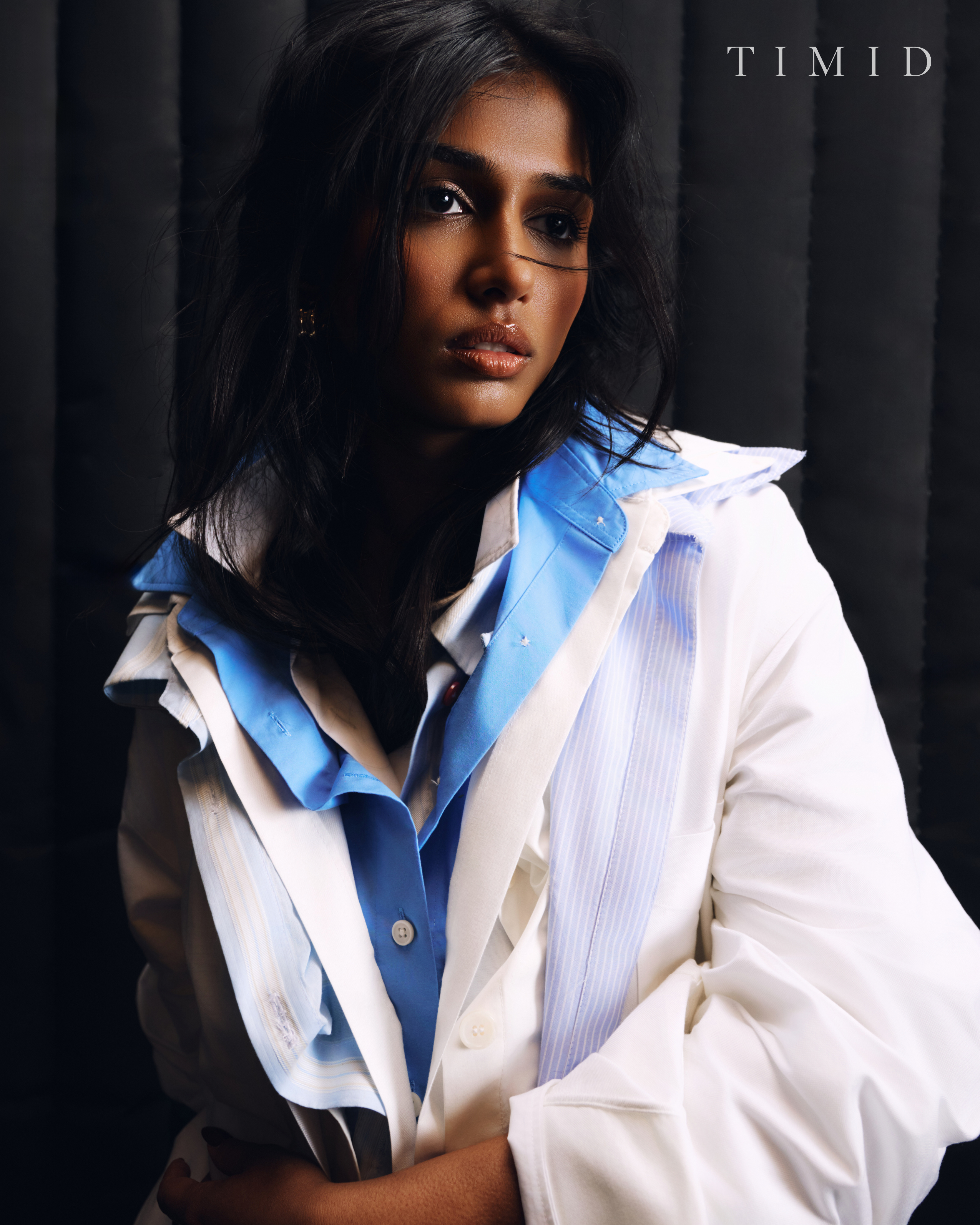
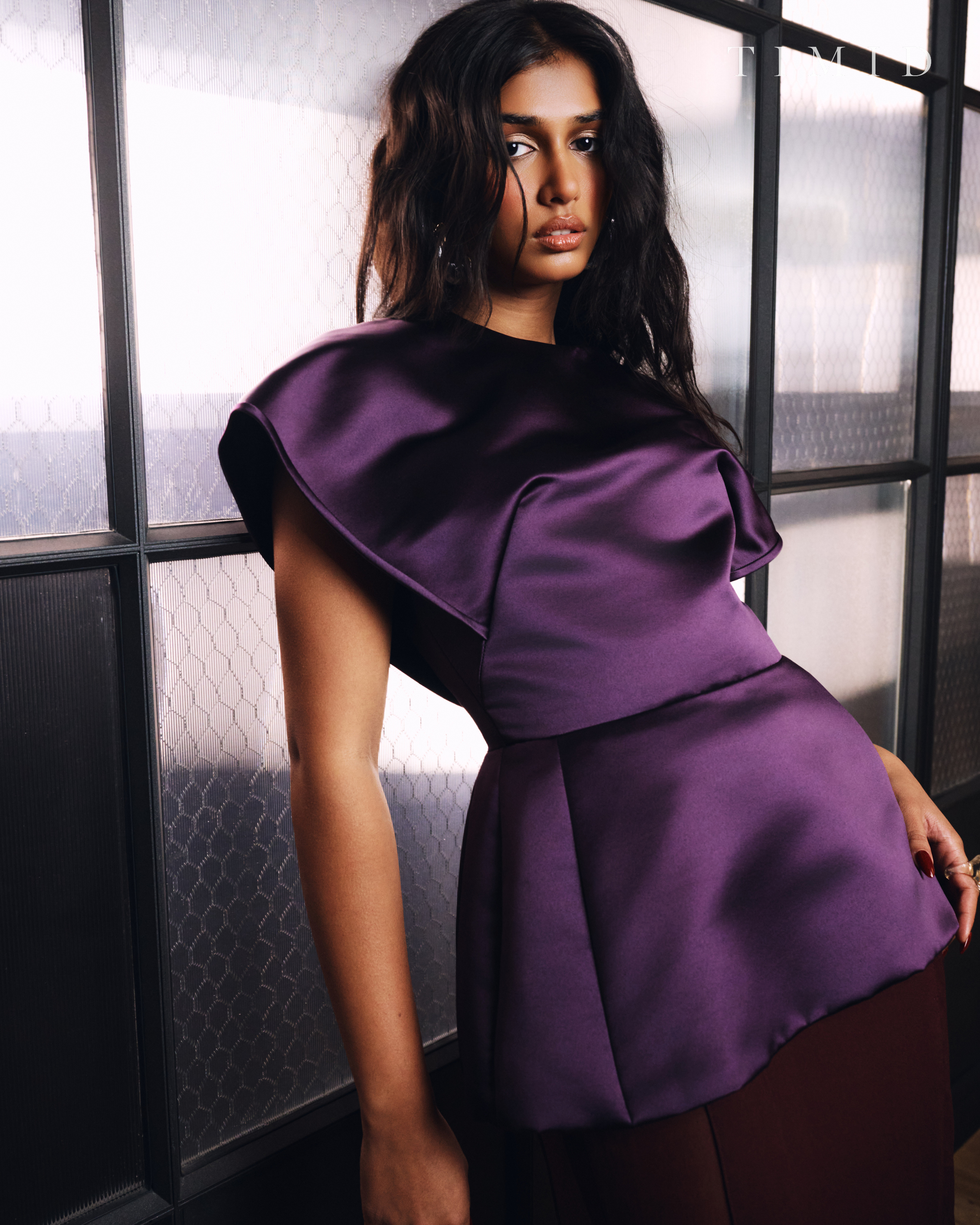
That full-circle story makes for a near-perfect Hollywood beginning, but what makes Best of the Best particularly meaningful to Kedia isn’t simply that she gets to be in the room. It’s the kind of room she gets to enter. The film surrounds her with South Asian characters without making their South Asian identity the source of conflict. “For the first time, we’re coming into a space and the conflict is not our identity,” Kedia said. “We’re allowed to just be who we are. That’s part of the fabric of who we are. But it’s not the thing that defines us.” Instead, there are mean girls and overachievers, loud girls and awkward guys, characters who struggle in school and others who seem to have everything figured out.
For Kedia, that multiplicity is what makes the representation feel different. Growing up, she remembers looking for the one brown character on screen, even if they weren’t Indian, because that was often the closest option available. Now, “you don’t have to identify with the one person in the movie that happens to look like you,” she said. “You can actually pick who you feel the most like and who you resonate with the most.” It’s a small freedom that says something much bigger: representation doesn’t only mean being visible. Sometimes it means having enough people on screen that no single person has to represent everyone.
For all the personalities that fill the film, the relationship Kedia cares about most is the main female friendship. “I am such a big advocate of female friendship,” she said. “My female friendships have been the pillars in my life and the thing that I build my community around.”
Kedia recognized that emotional complexity immediately in her character, Anjali. “I was like, I know this girl. I have been this girl before,” she said. Anjali is at an age when relationships that once seemed permanent begin to change. Kedia described it as an inflection point, “Are we going to grow apart or are we going to grow together now?”
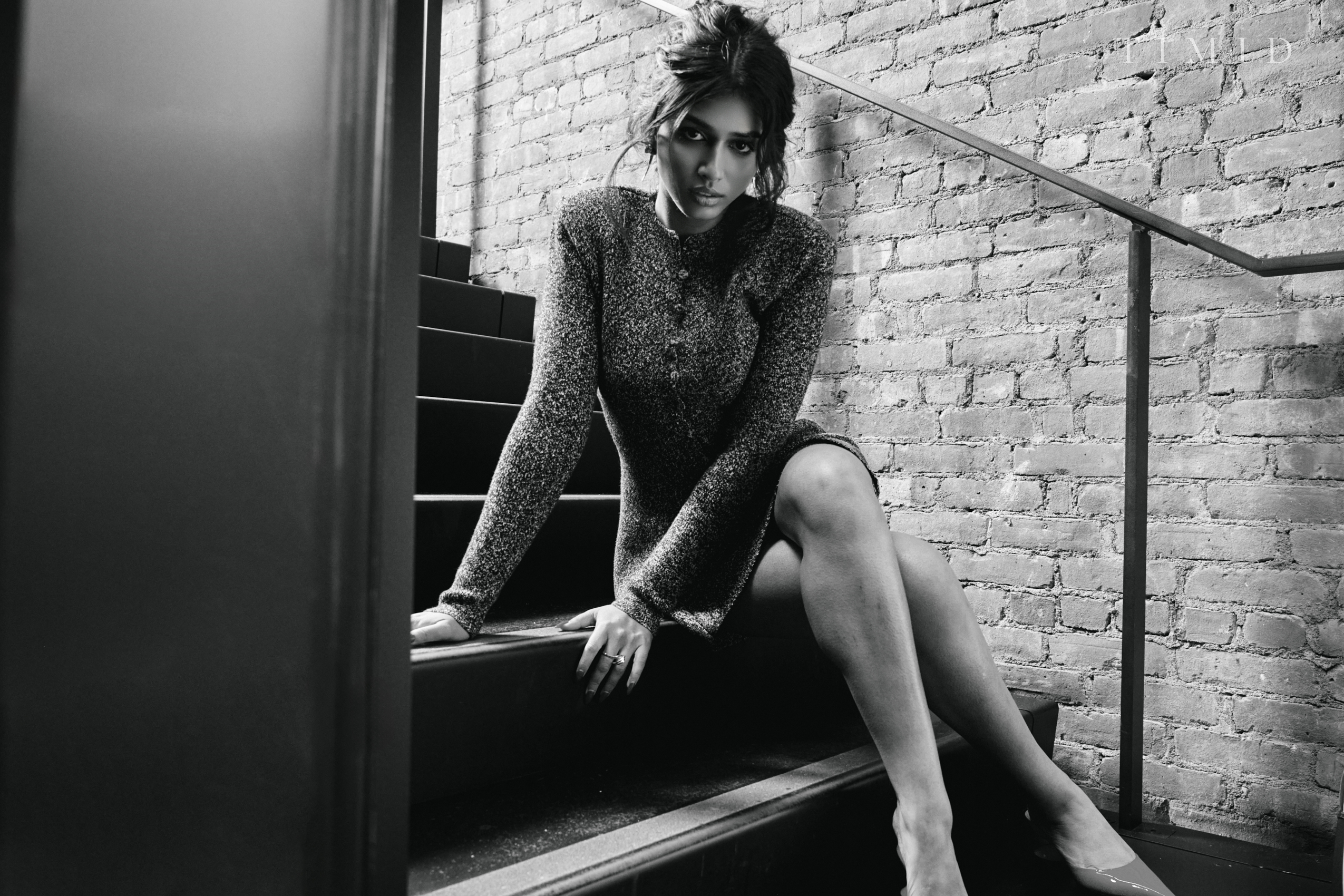
What she appreciates most about the story is that the conflict between the women is never reduced to competition over a guy or a petty argument. “It’s not like a jealous cat fight competition,” Kedia said. “It’s a conflict that’s coming out of loving each other so much and being like, ‘I love you so much. Why do you not know what I need right now? Why can you not see me right now?’”
For Kedia, that kind of friendship deserves the same narrative weight we routinely give romantic relationships. “I think female friendship is one of the purest forms of love,” Kedia told Timid. “It’s tied into an understanding that no one else can really share with you, and it’s so unconditional and grounding, and also messy sometimes. [...] At the end of the day, who is picking you up off the floor? Whose shoulder are you crying on? Who is sitting in bed with you for 10 hours when you’re experiencing heartbreak?”
It’s why one of the film’s final choices resonates with her so deeply. When given the choice between a romantic interest and a longstanding tradition with her best friend, Maya chooses her friend. “Of course I’m gonna prioritize the tradition I’ve had with my best friend of like 18 years,” Kedia said, referring to the film’s end scene.
Reflecting on both the film and her own life, Kedia spoke about the women who sit beside you through heartbreaks, make sure you eat when you can barely get out of bed and know the versions of you that existed long before a romantic partner entered the picture. “Boys will come and go, but the women in your life you need to cherish,” Kedia added. “You need to treat them with just as much love, and you need to prioritize them in the same way.”
Kedia also shared that she remains close with castmates Shreya Navile, Becky Alex and Nico Greetham. “They have actually become really important to me and a big part of my support system,” she said. “We have this shared experience. It’s something that only we can kind of understand and help each other through.” She noted that closeness helped carry the cast through an intense production, particularly the months of dance training required to make a cast of actors look like competitive dancers.


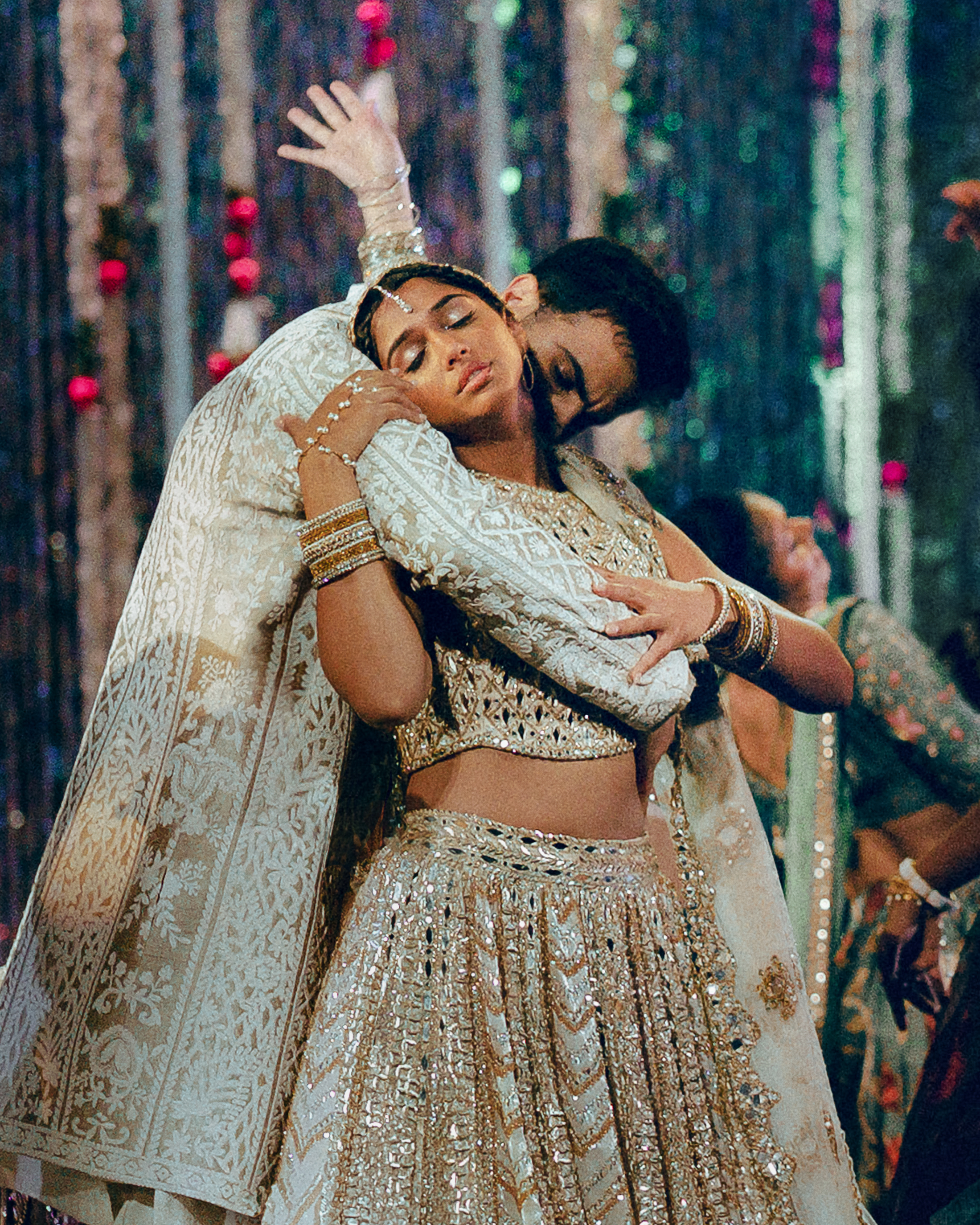
Kedia grew up dancing Bollywood with her brother, but described it less as formal training and more as a connection to culture. “Bollywood is your kind of way in,” she said. “It’s the thing that you can all bond over at the family function with the family friends. That’s your shared language, almost.”
By the time her Best of the Best dance audition arrived, she hadn’t danced in about seven years. What followed was months of training in everything from contemporary and Kathak to K-pop, jazz funk, and hip-hop. Kedia trained and filmed, all while dealing with a bruised rib. “I’m not trained to be an athlete, but I’m having to train like an athlete,” she said.
During one of the film’s competition sequences, Kedia was given the option of having her double perform a difficult move. She decided she had come too far not to try it herself. “I was like, no, I got this far. I have to do it.” And while she described it as painful to do with her injury, she nailed the shot.
But the biggest thing Best of the Best gave Kedia wasn’t a dance skill or even a leading role. “I think the biggest relationship it built was my trust with myself,” Kedia said. “I do feel like I have a stronger sense of self and a stronger trust in myself.” A few weeks before her career shifted, she recalled realizing she would be happy even if the version of success she imagined took another decade. “If I’m baristaing and tutoring, and I’m doing theater in basements in New York or in New Jersey whenever it pops up, and I’m losing money doing it, but I’m getting to create, and I’m getting to meet other actors and be around creatives, that is all I’ve ever wanted,” she said. “That is the dream come true.”
This mindset first led her to being on set for Steven Spielberg’s Disclosure Day and a few months later Best of the Best. “The last year of my life has completely surpassed everything,” she said. The girl serving drinks at Kolkata Chai, watching other South Asian creatives take their place in front of the camera, wasn’t waiting to become an actor…she already was one. “You’re still an actor when you’re waitressing. You’re still an actor when you’re baristaing. You’re an actor when you’re answering phones at reception,” she said. “You’re an actor no matter what it is you’re doing.”