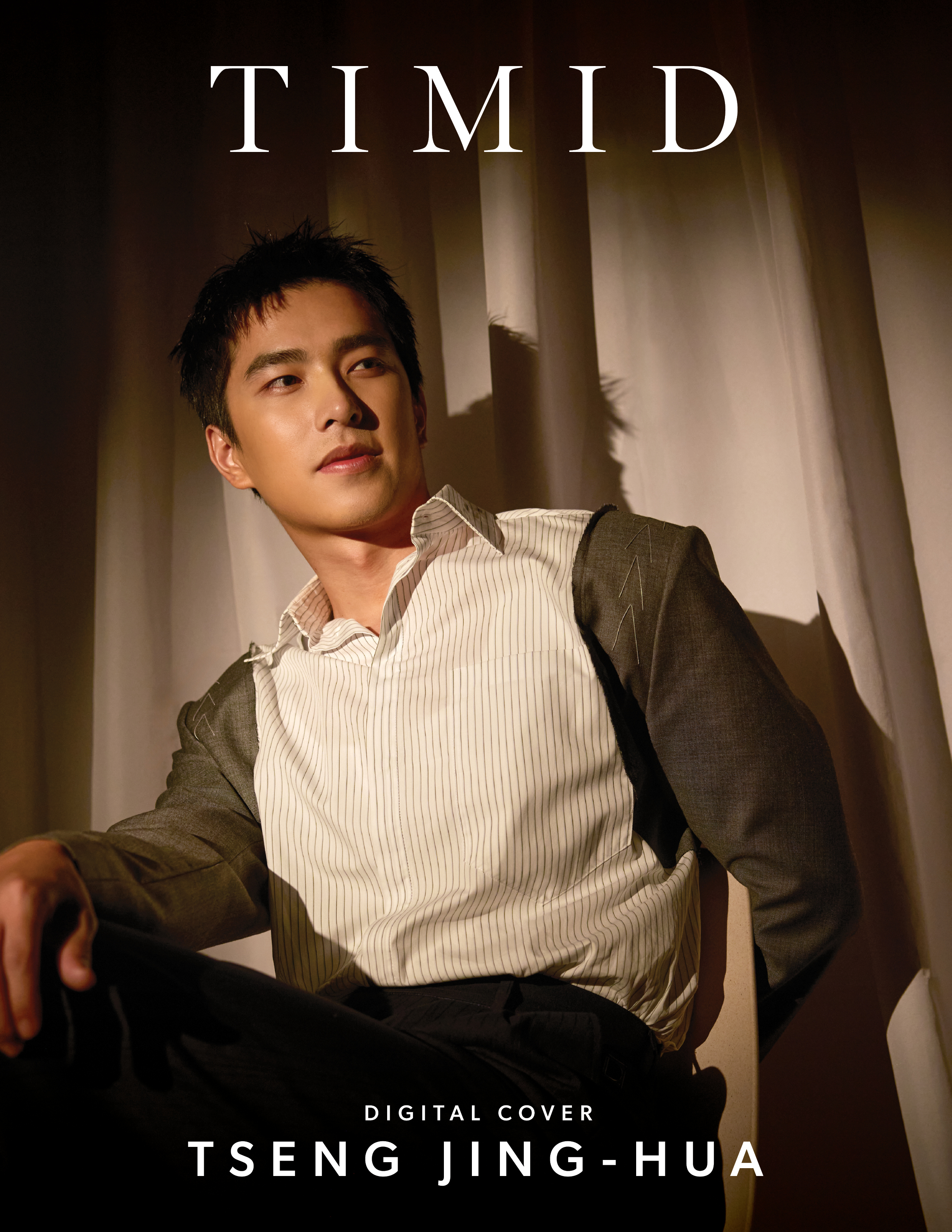
-
Talents: Tseng Jing-Hua @jhtseng13
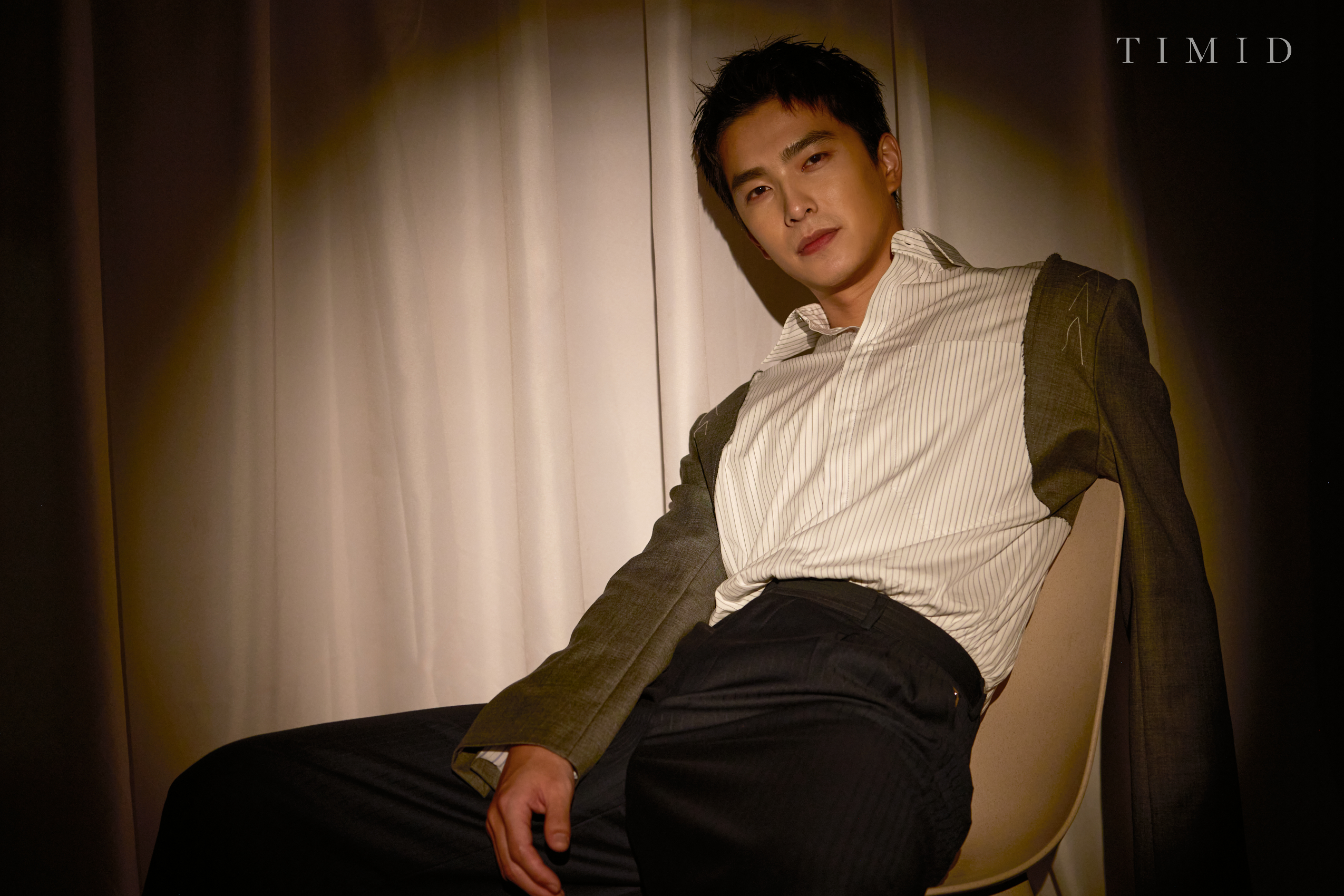
Photos: Henry Wu @hello.henry
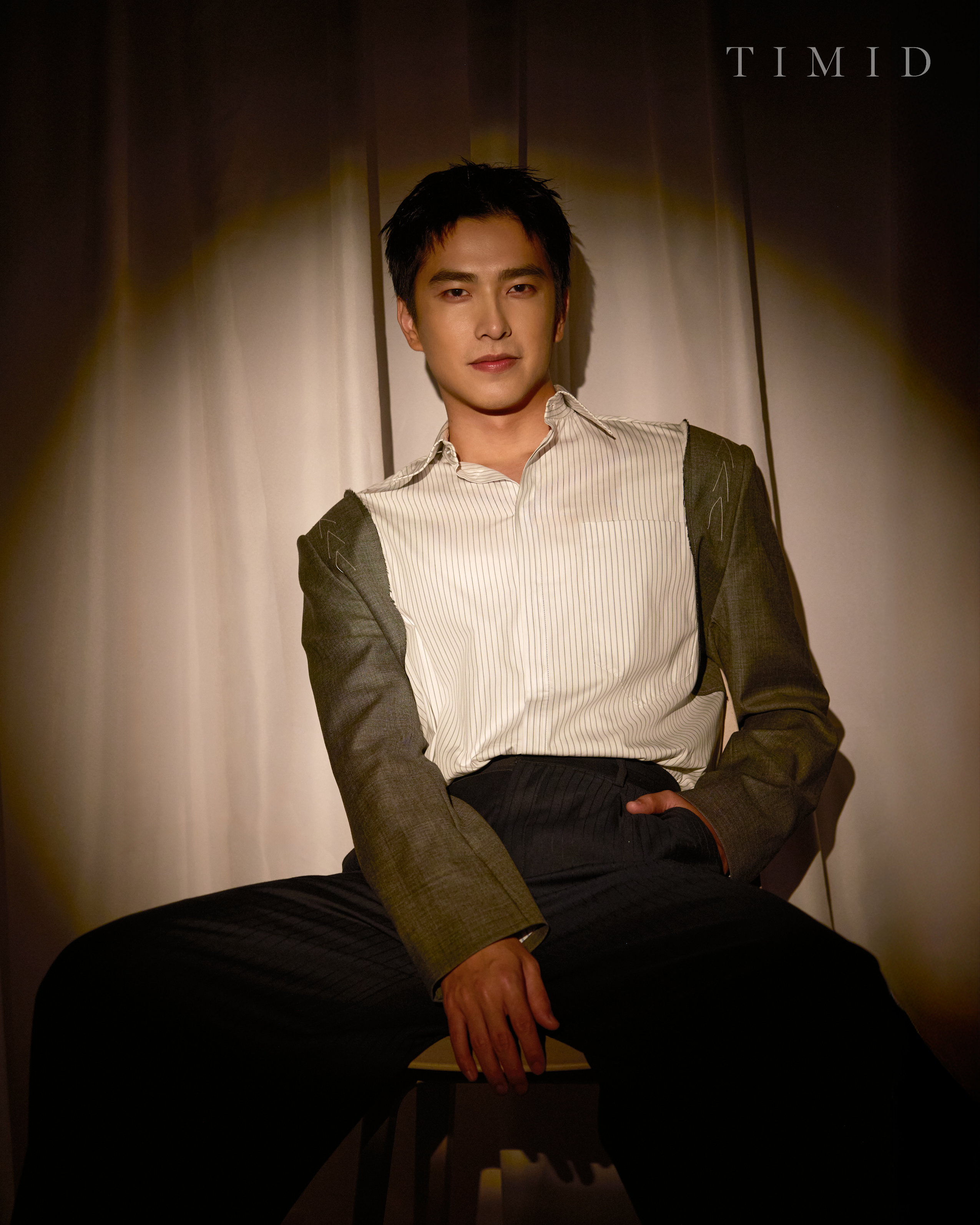
Fashion: Connie S. @ccconnie_s
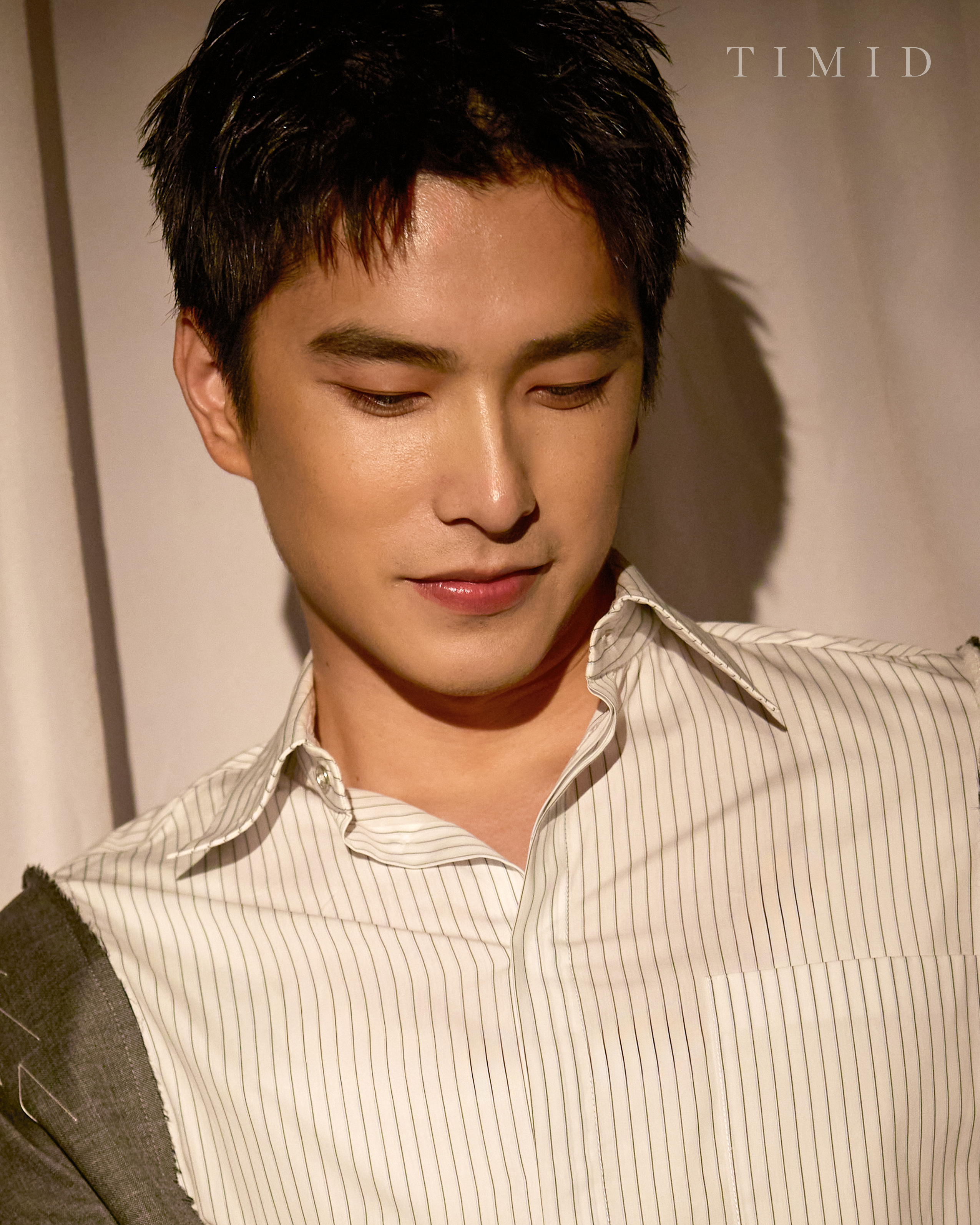
Hair & Skin: Henry @henrytc0216
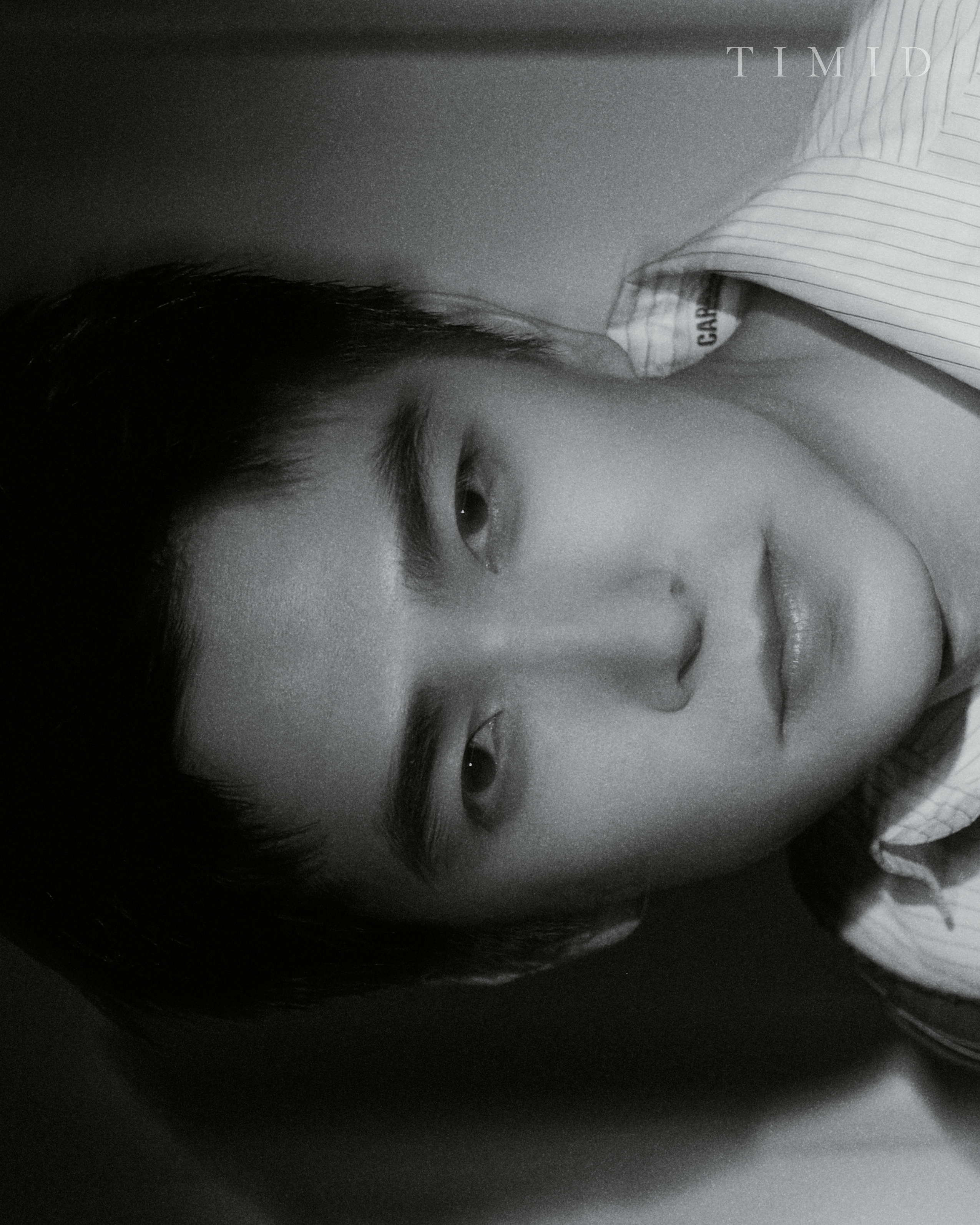
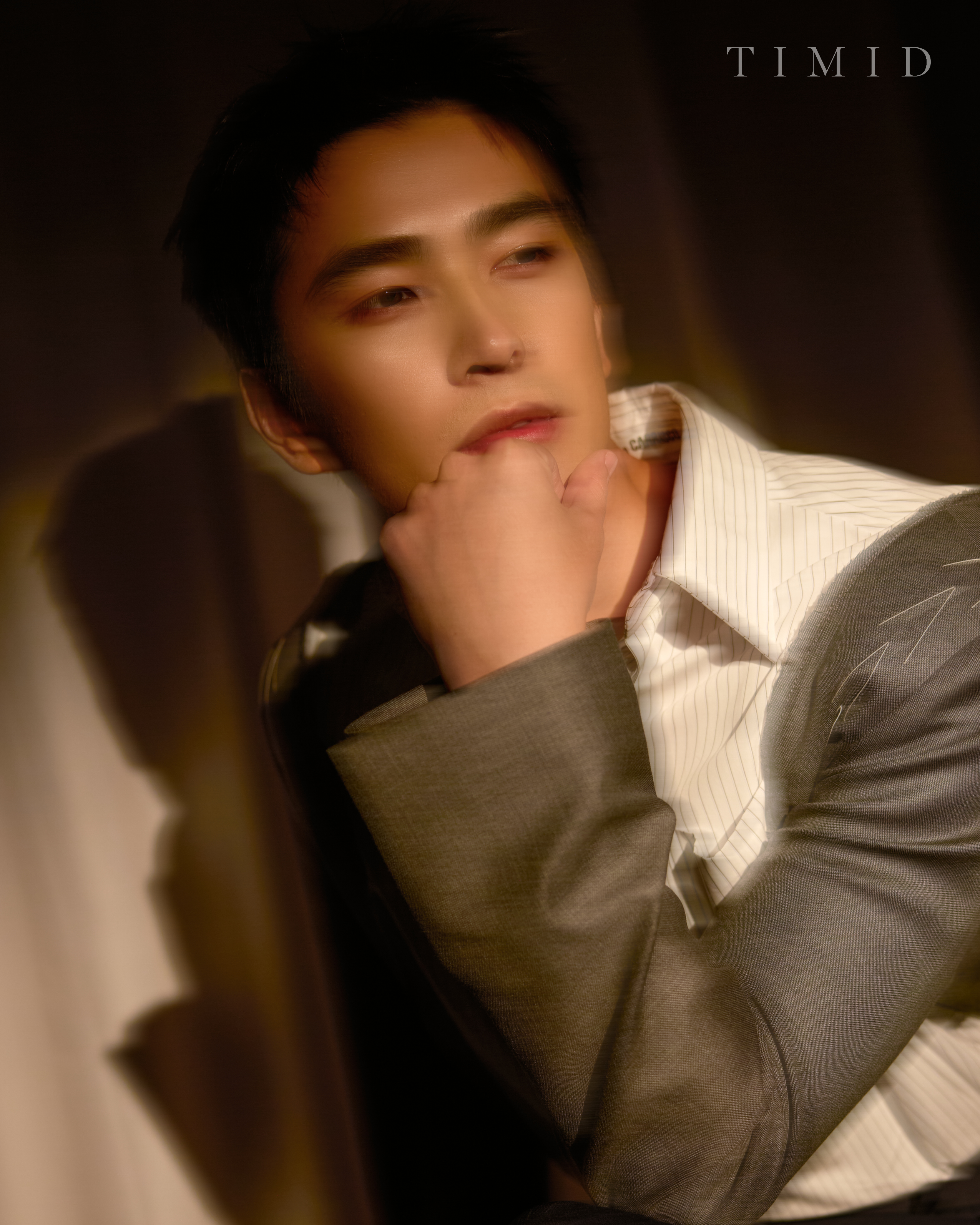
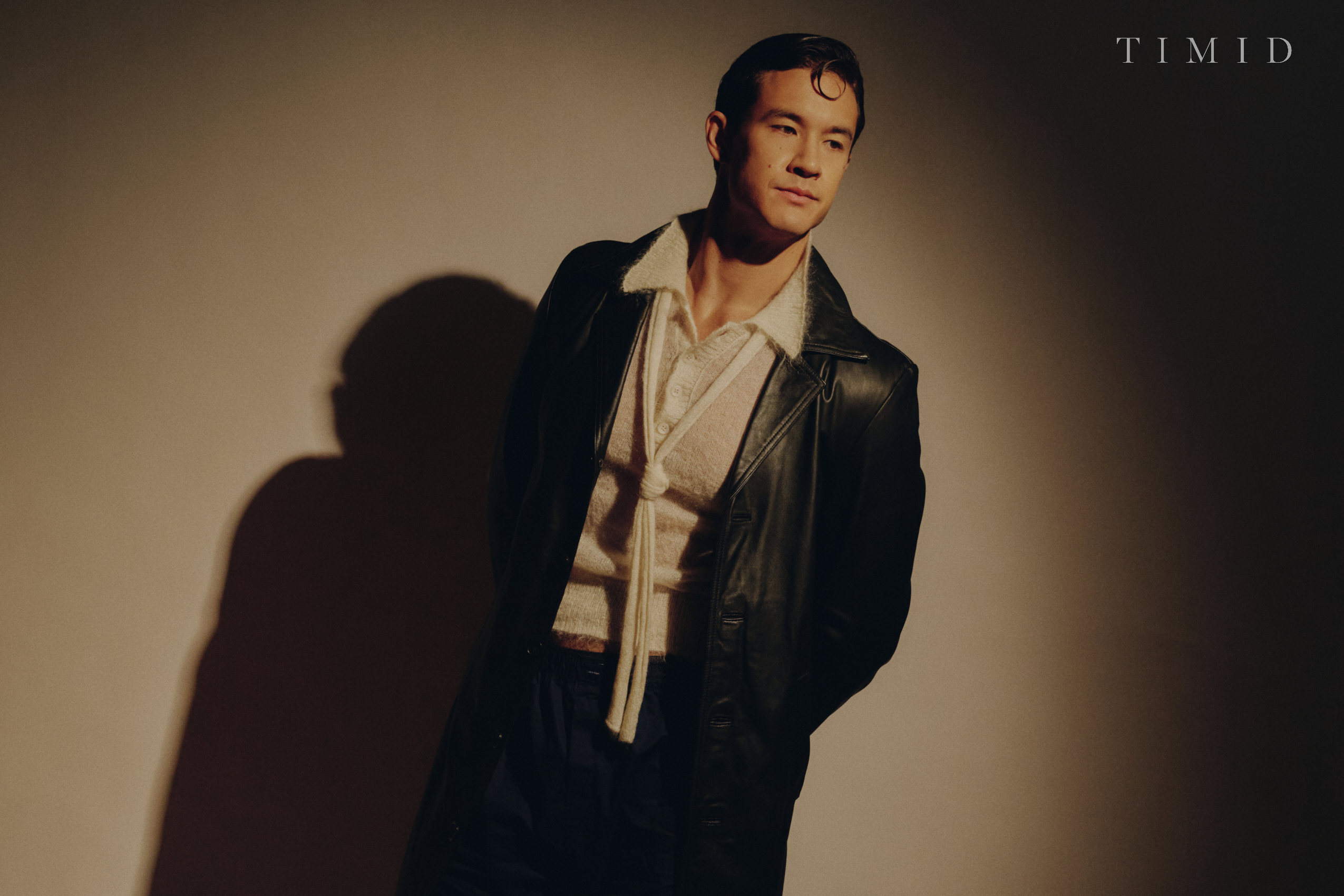
From his sentimental performance in Your Name Engraved Herein to his latest role in the Netflix psychological thriller series Had I Not Seen the Sun, Taiwanese actor Tseng Jing-Hua continues to push beyond familiarity with every character he embodies.
Tseng’s talent for embracing creative risks has not gone unnoticed. In 2019, he gained recognition for his role as Wei Chung-ting in the supernatural horror film Detention, earning a nomination as Best New Performer at the 56th Golden Horse Awards. More recently, Tseng won the 62th Golden Horse Award for Best Supporting Actor for his performance in Family Matters, a feat that affirms his versatility as an actor who moves freely across genres.
In Had I Not Seen the Sun, Tseng plays a young man who confesses to murdering his former classmates, but the truth behind his crimes proves far more complex than it initially appears. In a recent interview, he discusses his role.
Tseng Jing-Hua: It was really his family background and childhood experiences. Those emotions felt unfamiliar to me because I didn’t grow up with similar experiences. When I encounter a character like this, I want to dig deeper and understand what kind of environment he grew up in and what kind of pressure and trauma he carries.
For me, it’s both a challenge and an experiment. What attracted me most to this role was how different he is from who I am, and that made me want to challenge myself.
TJH: I think it’s the way he approaches love and the person he cares about. His willingness to give everything, his instinct to protect, and even his decision to distance himself or run away are all rooted in a desire to keep the other person from being hurt by his own pain.
That’s something I relate to. Sometimes, when I’m facing difficulties at work or in life, I don’t want to bring those struggles into my relationships.
What makes Li Jen-yao different is that he doesn’t have anyone who can truly hold him—except for Chiang Hsiao-tung [played by Moon Lee]. Because of that, he becomes even more afraid that his darkness will harm her. That tension is what makes this story so heartbreaking: they clearly love each other, yet it feels like they shouldn’t be together.
TJH: I wouldn’t say I can bring awakening or answers. But I believe people like this truly exist in our society. What I can do is try to understand their inner world and why they make the choices they do.
I can’t tell the audience how to solve these problems, but I can raise the questions and invite reflection.
TM: Did playing this role make you rethink how society “creates” a killer, or do you still believe personal agency outruns causality?
TJH: I think reality is far more complex. Real-life cases are filled with complicated human nature and blurred truths. This story is more focused—it approaches the character through emotion and family background, portraying someone who desperately needs to be reached.
Li Jen-yao isn’t someone who never wanted to move toward the light; his environment simply didn’t allow him to. In the end, becoming who he is feels like the only choice he was left with.
TJH: I see him as the moon. The moon doesn’t produce light on its own; it reflects the light of the sun.
Li Jen-yao starts out as someone completely surrounded by darkness, with no light at all. It’s only after meeting Hsiao-tung that he gains a surface within himself that can reflect light. He was never completely without hope—he just needed that moment. That’s what I love most about this story. Their meeting feels destined.
TJH: To me, it represents something that can’t be fully repaired. The butterfly was once whole and admired, but once its wings are damaged, it can never return to what it was.
On a deeper level, it becomes something that needs care and companionship. Only when it no longer exists purely in the sunlight can people truly approach it.
TJH: I believe failure is more valuable than success. Failure teaches you, while success often just moves you into the next stage, with more responsibility.
Sometimes the harder you chase success, the further it feels. When you let go and focus on the process, it suddenly appears. For me, finding happiness in the present moment matters most. Enjoying the journey is what truly counts.
TJH: I often think about whether emotions are even something humans truly need. But I believe one thing strongly: the only person who can truly save you is yourself.
Even if you’re dealt a bad hand, you still have cards to play. For me, the most important thing is simply to stay alive. Living itself is what matters most.
Disclaimer: This interview was conducted in Mandarin and translated to English.
從《刻在你心底的名字》中細膩深情的演出,到近期在心理驚悚作品《如果我不曾見過太陽》中挑戰複雜人性,這位台灣演員在每一次角色塑造中,都不斷突破觀眾對他的既定印象。
曾敬驊勇於承擔創作風險的表現,早已獲得業界矚目。2019 年,他在超自然驚悚電影《返校》中飾演魏仲廷一角,憑此入圍第56屆金馬獎最佳新演員,備受肯定。近年來,他更以《我們的家》榮獲62屆金馬獎最佳男配角,進一步印證他能自由穿梭於不同類型作品之間的表演實力與高度可塑性。
曾敬驊: 其實是他的家庭背景和童年經歷。那樣的情感對我來說很陌生,因為我自己的成長過程中沒有類似的體驗。所以當我遇到這樣的角色時,我會想要去挖掘、去理解,他是在什麼樣的環境下長大,又背負了怎樣的壓力與創傷。
對我而言,這是一種考驗,也是一種嘗試。這個角色最吸引我的地方,在於他和我非常不一樣,我很想挑戰自己去塑造這樣的人。
驊: 我覺得是在面對愛情、面對自己喜歡的人時的處理方式。他那種義無反顧、想要守護對方的心情,以及選擇逃離、刻意保持距離,其實都是為了不讓對方被自己的痛苦牽連。
這一點和我自己很像。有時候我也會因為工作或生活上的困難,不想把這些負面情緒帶給身邊的人。
但李壬曜不一樣的是,他身邊幾乎沒有可以真正接住他的人,只剩下江曉彤。因此他會更加害怕自己的黑暗會傷害到對方。這也是我覺得這部作品最拉扯觀眾的地方——明明彼此深愛,卻又讓人覺得他們好像不該在一起。
驊: 我不敢說自己能帶來什麼覺醒或提醒,但我覺得這樣的人在這個社會中是真實存在的。我能做的,是透過這個角色去揣摩他們的心境,理解他們為什麼會做出那樣的選擇。
我無法告訴觀眾該如何解決這些問題,但我可以把問題提出來,讓大家去思考。
驊: 我覺得事情沒有那麼簡單。現實中的案件往往充滿複雜的人性與模糊的真相。這部戲相對單純,是從情感與家庭背景出發,去描寫一個「需要被接住的人」。
李壬曜並不是沒有想過走向光明,而是他的環境不允許他這樣做。最後他成為現在這樣的人,是他所能做出的唯一選擇。
我覺得他比較像月亮。月亮本身不會發光,它的光來自太陽的反射。
驊: 李壬曜原本是一個極度黑暗、身邊沒有任何光的人,直到遇見江曉彤,他的內心才有了一個可以反射光的平面。他並不是完全沒有希望,而是在那樣的狀態下,終於有了一道光。這也是我非常喜歡這部戲的地方——他們的相遇,是命中注定的。
驊: 我覺得那是一種無法被修補的狀態。那隻蝴蝶曾經是完整的、被欣賞的,但當翅膀破了,就再也回不到原來的樣子。
更深一層的意義在於,它開始需要被照顧、被陪伴。當它不再只存在於陽光之下,人們才有機會真正靠近它。
驊: 我覺得失敗比成功更有價值。失敗會教你很多事情,而成功往往只是讓你進入下一個階段,承擔更多責任。
有時候你越執著於成功,反而越得不到;當你放下、專注於享受過程,它反而會出現。所以對我而言,找到當下的快樂最重要,享受過程,才是真正的重點。
驊: 我常常在想,情緒到底是不是人類必須擁有的東西。但我相信一件事——真正能救贖你的人,只有你自己。
即使是一手爛牌,至少你還有牌可以選擇怎麼打。對我來說,最重要的事情就是活著。活著,本身就是最重要的事。