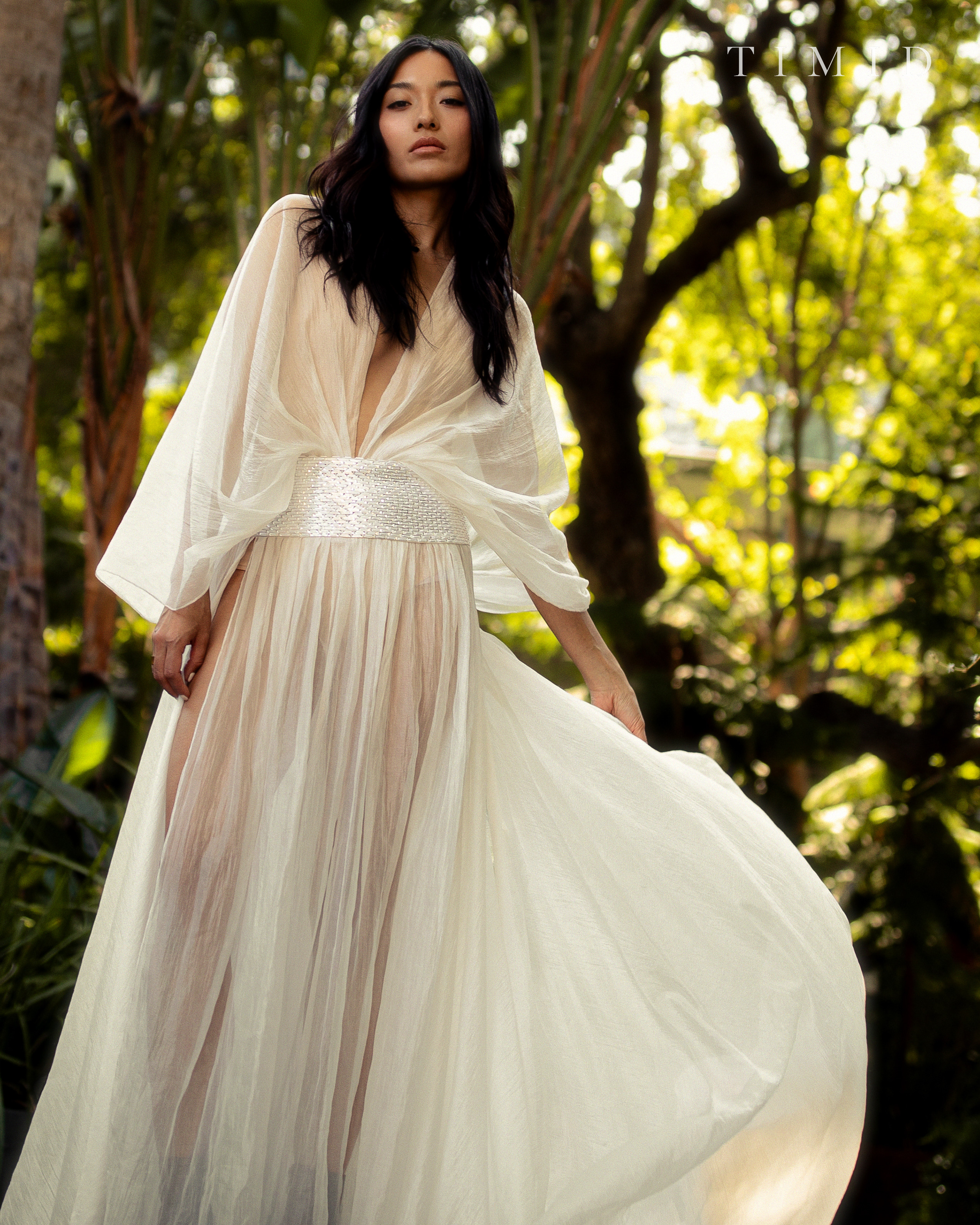
-
Talent: Yvoone Chapman @ypchapman
Words: Daniel Anderson @danzstan
Photos: Max Schultz @corpuscamera
Fashion: Lisa Hoang @lisanhoang
Makeup: Kelly Zhang @kellyzhangagency
Hair: Brittany Truong @kellyzhangagency
Fashion Assist: Susan Lim @4hyxn
EIC: Henry Wu @henrykhwu
When Madeline Wong arrives in The Season, she is crashing it. She steps off a boat and onto a yacht full of people who would rather she hadn't. The whispers that followed her out of the city have only grown in her absence: that she had something to do with her husband's death, and that is why she fled the Hext family, whose wealth was built in Hong Kong so extensively they "practically invented colonialism."
Presided over by her steely aunt Fiona (Karena Lam) and Fiona's embattled billionaire husband Christopher (Toby Stephens), the Hext dynasty is already straining under its own secrets, kept carefully from their daughter Alison (Kōki). And then there is Andrew Fung (Chris Pang), married, charming, and conducting a very ill-advised affair with Madeline.
Into this world arrives Cola Pierce (Jessie Mei Li), an American who takes a summer job in Hong Kong while pursuing a suspicious mission of her own. The Season is the kind of show where every move is a power play. It’s a tonal triptych of Crazy Rich Asians, The White Lotus, and Revenge that the Viu and Hulu six-part saga blends together with soigne.
Yvonne Chapman, who plays Madeline, came to acting after an early career in corporate finance, building her craft through Canadian productions before finding a devoted following as the morally complex assassin Zhilan Zhang in the CW's Kung Fu and, later, as Avatar Kyoshi in Netflix's Avatar: The Last Airbender. But The Season carries a different kind of pull. Chapman's grandmother and her father's family have roots in Hong Kong, and she has been visiting since she was ten years old—yet this was her first time working there. That the project comes co-produced by SK Global, the studio behind Crazy Rich Asians, a film Chapman once auditioned for, only deepens the sense that something kismet was at work in bringing her here.
The Season is, in many ways, the project that allows her to feel most fully placed: in a city that already holds her history, in a story that mirrors and inverts her own, made alongside creative partners whose work she once stood outside of, hoping to be let in.
Madeline Wong returns to Hong Kong to fight for her place. Yvonne Chapman arrives and finds she already has one.
YC: That’s a good question. I feel like the more I get to play women like this, the more they rub off on me, which has been wonderful. It’s been a compounding effect. My confidence has grown through the women I’ve had the chance to portray. When I read Madeline, I saw similarities to those other characters, even though her approach is different. She’s another woman coming into her own power, and I always try to find a personal entry point into each character.
What really resonated with me about Madeline is that she’s trying to build something by her own definition. I have a lot of conversations with my girlfriends about navigating life, and creating space for ourselves and our families—that’s really at the heart of her for me. Because she wants that so strongly, everything else grows from it. When you truly desire something, those traits naturally come out in pursuit of it. That’s what Madeline does.
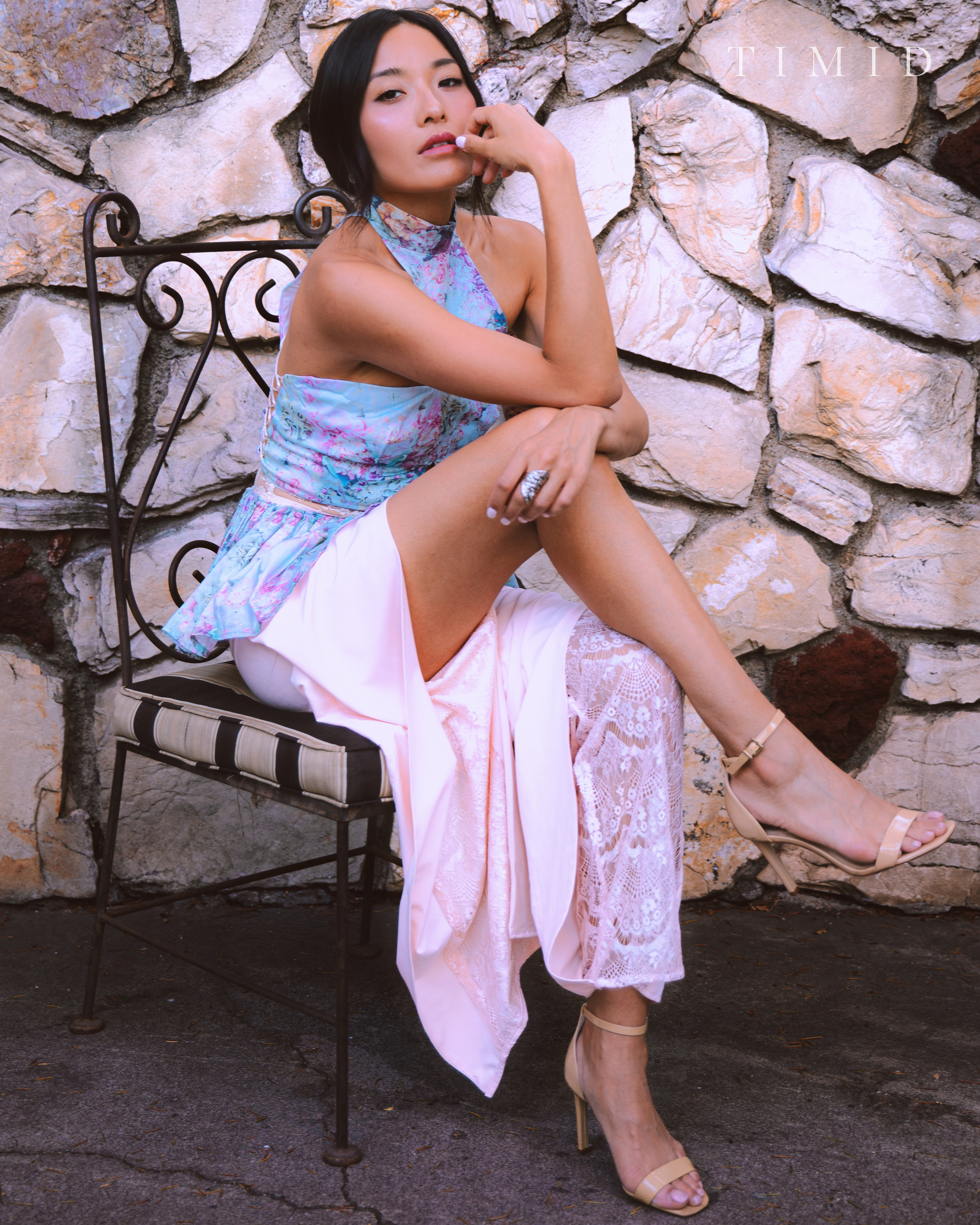
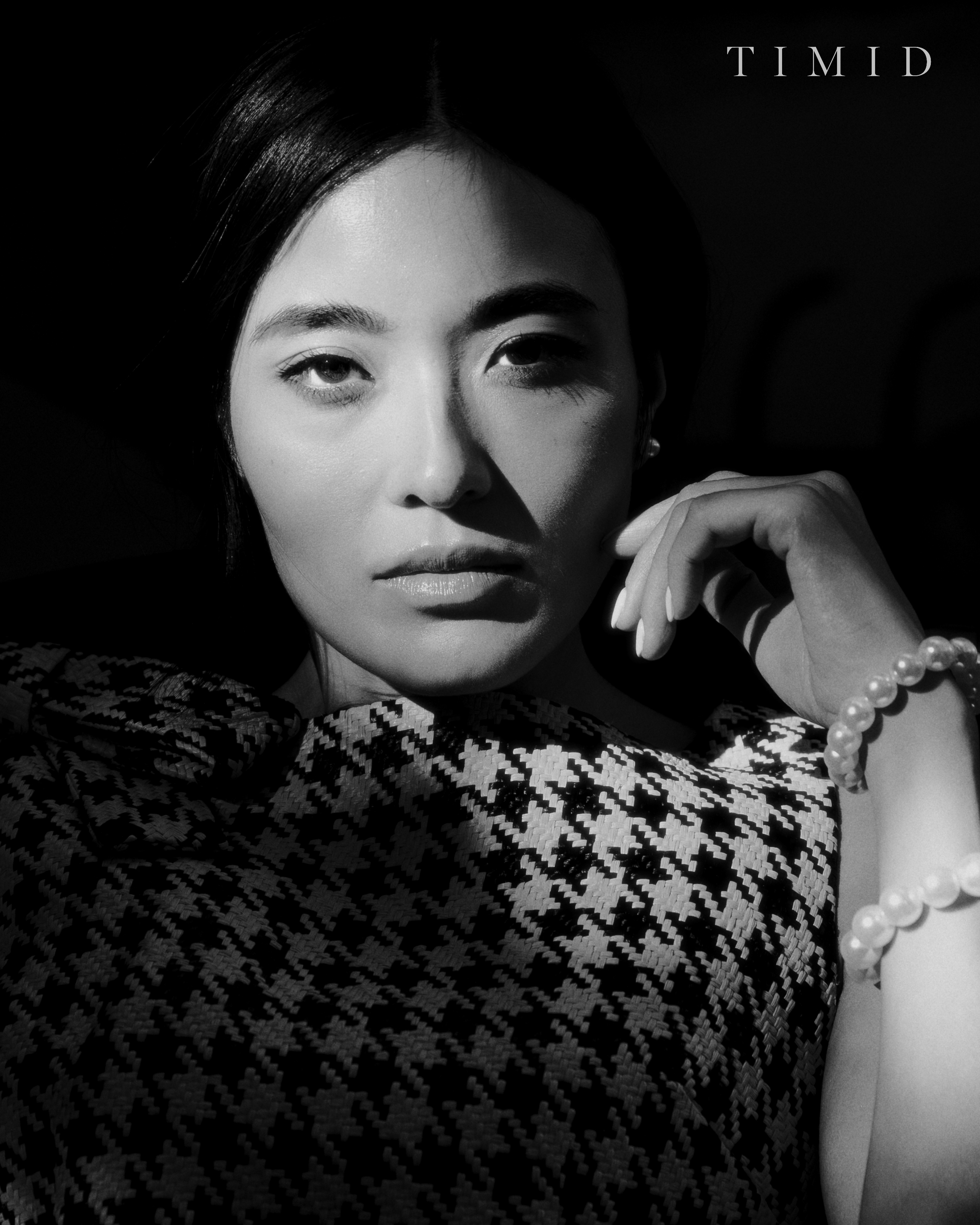
YC: I think Madeline acts as a mirror to many of them. She's a mirror in the sense that she's going to reflect back and say what maybe they don't want to hear, but it's who they are, especially with her family and with Fiona. Madeline struggles too. I think Fiona also acts as a mirror to Madeline by telling her the truth: You left the family, and you have to deal with those consequences as well.
Madeline is a reflection of how people may wish they could behave, but there's also resentment because she actually took that chance. She said, "You know, fuck it. I'm going to live my life, and I'm going to try to do this by my own rules." Because she's a rule breaker, people resent her for that. But when she comes back to Hong Kong, she's a reflection of that for everyone around her.
YC: This was a very specific choice I made because Madeline already came from money. For her, money doesn’t buy everything—especially after losing her husband Thomas, the love of her life. It wouldn’t have mattered to her whether he was rich or not. I think she would have been with anyone who made her feel seen, loved, and appreciated beyond appearances.
So even when she got the money, I played it more as surprise than triumph. It wasn’t, “Yes, I won.” It wasn’t about that for her at all. I think she even says to Andrew, “I don’t even care. I’m just so tired of being alone.”
So the windfall of money didn’t really mean much to her. At the end, she tries to do something good with it. I was very aware I didn’t want it to feel like she was buying her way back into society. It’s not that. It’s her saying, “I see my family needs this, and this is the best I can do with what I’ve been given.” And also honoring her late husband, because I think that’s what he would have done.
YC: Thank you for saying that because I was really hoping she'd come across as more playful, and I'm glad it translated that way. For me, if she was going back into a society that was so much about appearances and face value, I wanted her to be the one person who could be a little goofy and a little freer in her presence. That was important because it helped explain why she left. If she'd been too stuffy or too manicured, I don't think it would have translated as well or supported her backstory and the reasons she chose to leave. I wanted her to feel a little untethered. In those moments, she's thinking, "Okay, I'm back here. I'm doing the thing, but I don't really want to be here." She's still trying to negotiate who she is in that space, and sometimes that just comes out as, "I don't know what I'm doing, but I'm here, living in the moment and being present." I think that's who Madeline is.
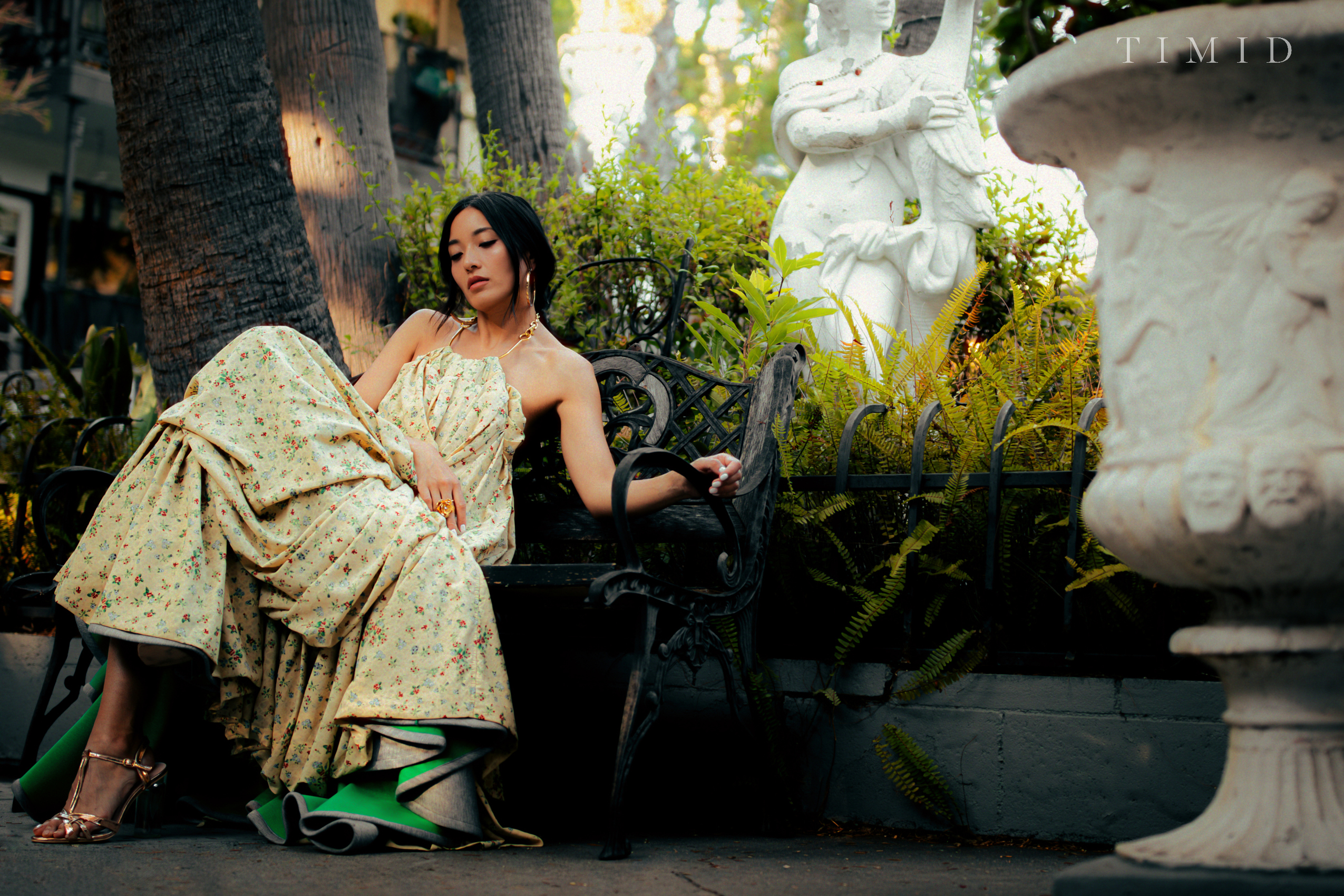
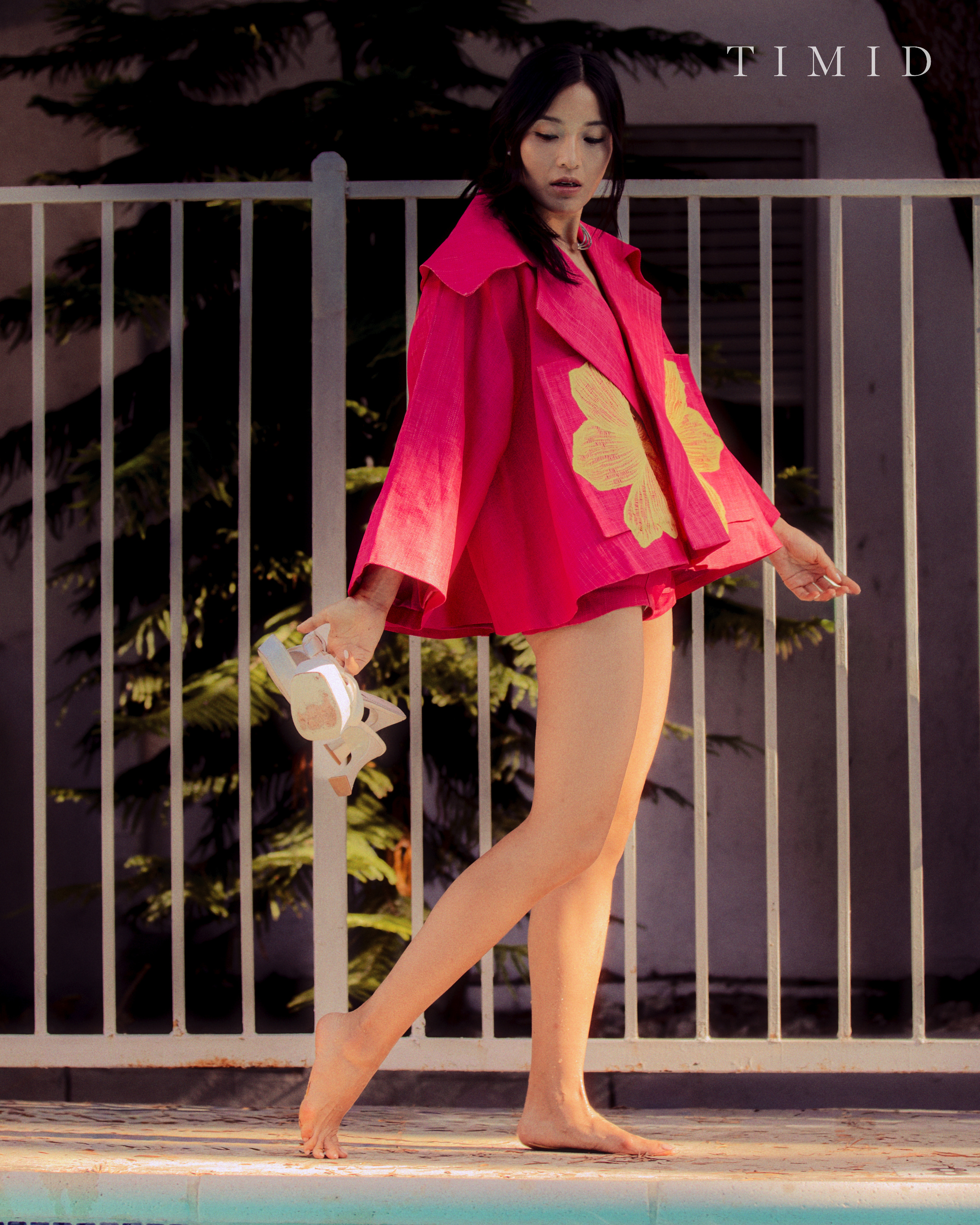
YC: I want to give credit to Vera Chow, the costume designer. She and her team are incredible. When they proposed the looks, they said, "In the first meeting, this is very Madeline." It's that chic, throw-on-a-blazer-and-shorts look—put together without looking like she really thought about it. Then, in the second meeting, she's going in with the intention of bringing Fiona down. She's thinking, "Now I'm going to play the game. Now I'm unfortunately going to behave in the same ways that I've come to resent." With that comes a certain look. She was wearing all Chanel in that second scene. It was her saying, "Okay, I'm back. I'm going to look like one of you." She's showing up to compete with her aunt and take her place at that table. It was almost like putting on a costume, and that's exactly what she did.
YC: One thing in my mind—this was about trying to delineate between myself and Madeline—is the affair of it all. Because in so many other aspects, we see Madeline really championing other women, whether it be Carrie or Alison, or even Fiona. So I was thinking, how do these two truths coexist?
In the backstory, she goes to Bali to escape the rumors that she killed her husband, someone she absolutely adored and loved with all her heart. She goes there to get away from that world. I think Andrew and Madeline are actually quite similar in the sense that Andrew also speaks his mind. He may be more embedded in that social world, but he’s not someone who hides how he feels.
There’s a kindred spirit there. In her vulnerable state in Bali, meeting him was a moment where she felt seen again and appreciated for who she is, because he does see her. In her backstory, I think Madeline justified it as well in her head—his marriage was more one of face value and convenience, given his wife’s wealth and status. She rationalized it as something that was more of a power alignment than purely romantic. I think there’s also a need in him to be seen and to feel loved and appreciated. That’s what they found in each other.
YC: That’s such a great question. I remember going over to Asia, and also in North America, and particularly in this business at the very beginning, I got notes like, “You’re not Asian enough” or “You’re too Asian,” and I had no idea what that meant. I was like, “I’m just me, I don’t know.”
My last name also has a bit of a story behind it, so people are often confused by that. I’m one-eighth French—that’s my mix. My grandmother is half French, and that’s where that comes from. My grandfather, Chapman Ho, he’s not my biological grandfather, but I never knew my biological grandfather, and he’s the one who raised us. So out of respect for him, we took on his name as our last name, and that’s where that origin story comes from.
So when people see that, they automatically make assumptions and put me in a box based on where I come from and what my name represents. I got a lot of that growing up—comments like, “Oh, so you’re not really Chinese.” And I’m like, I am. It’s just a different background. I’m Canadian-Chinese, I’m Singaporean, Hong Kong—I’m all of it. People tend to want to define you very specifically, and I think we’re slowly moving away from that, which is really great. And I also think Hong Kong is a perfect setting for that, because it has such a diverse mix of people from across Asia. It’s not a monolith.
And the idea of a “traumatic Asian upbringing”—I think all of us can relate to what that kind of looks like.
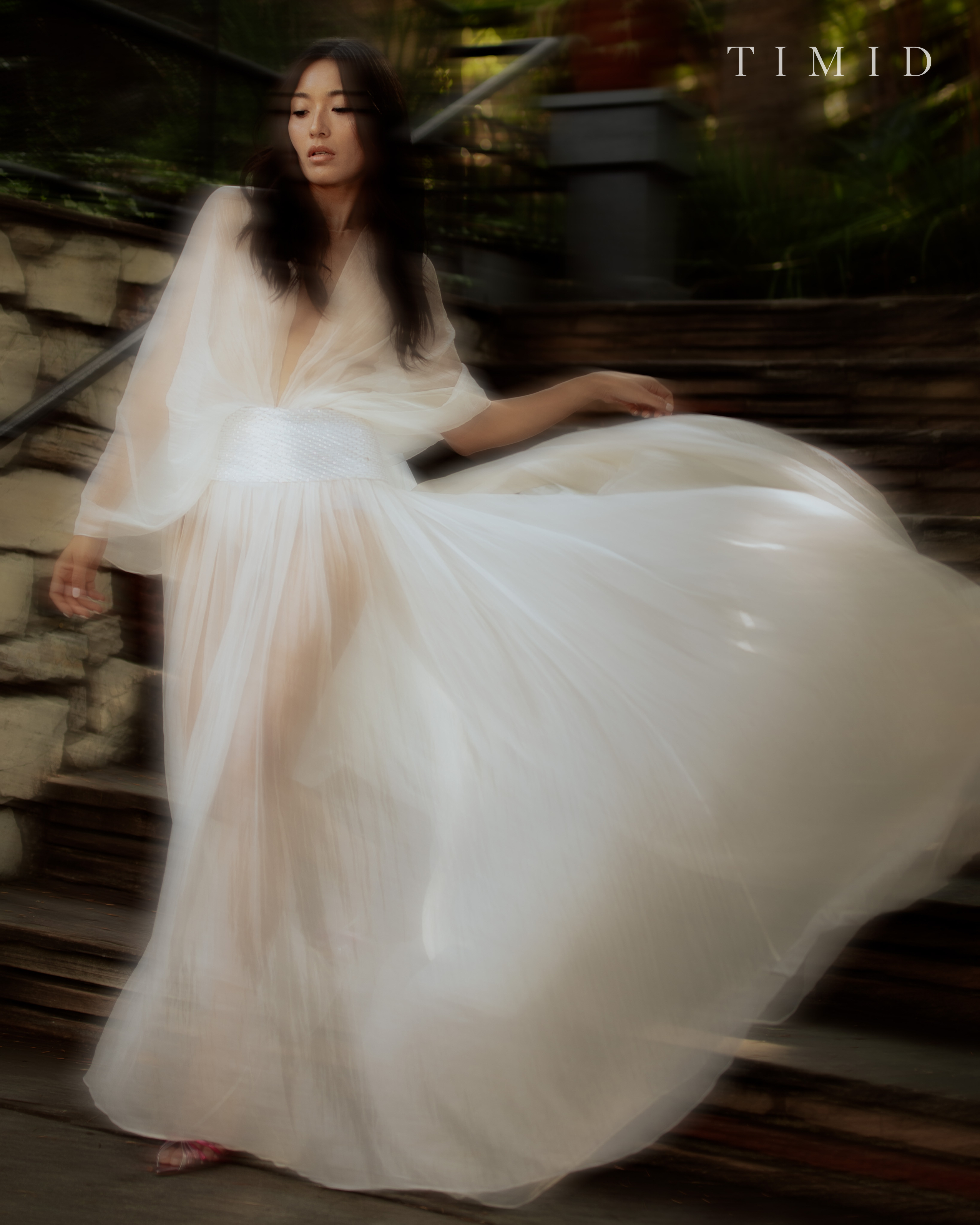
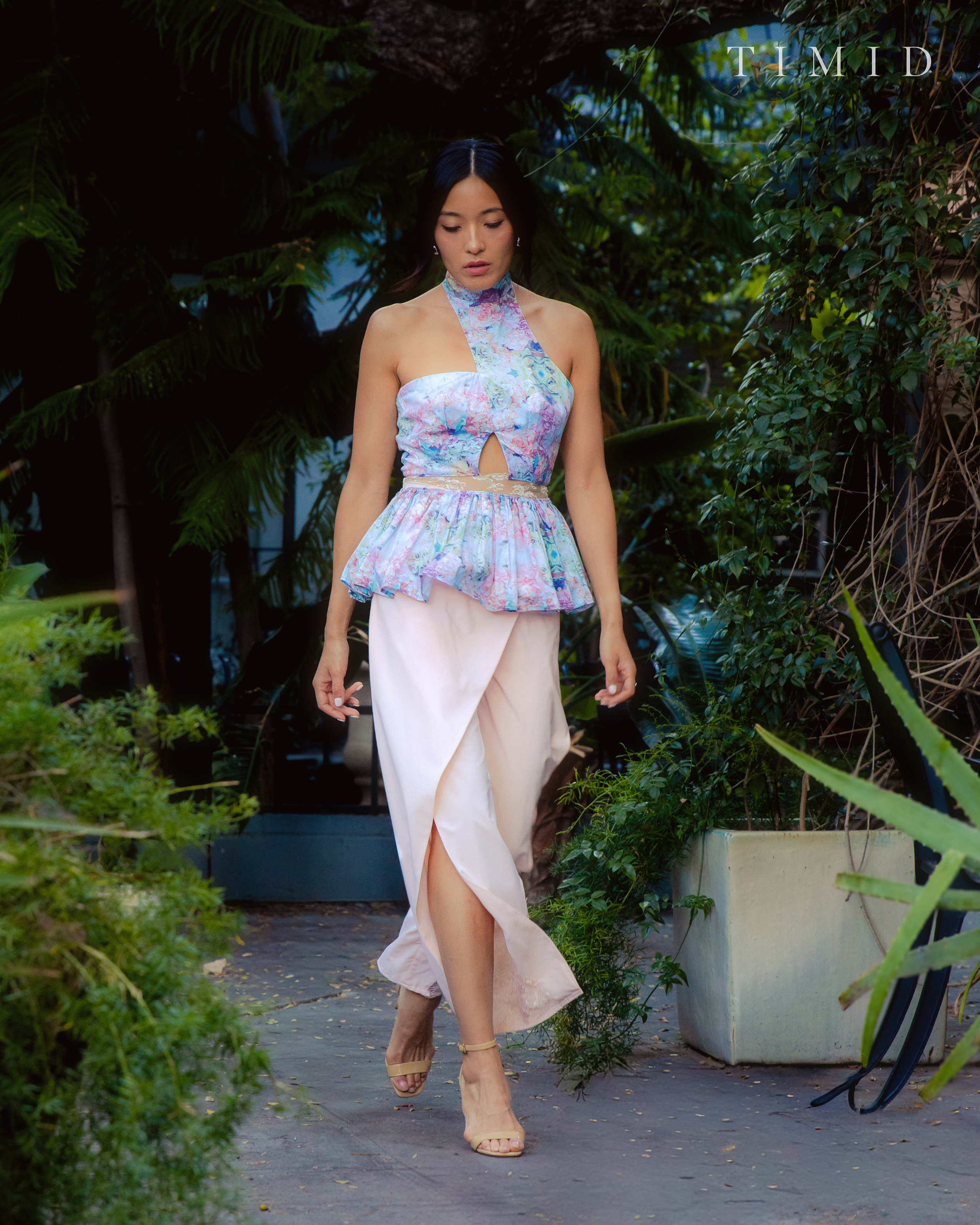
YC: This was the first time I’ve been able to work, live, and be in a place where my family was as well. It was really special for me, because Hong Kong truly always feels like home. I don’t even know how to describe it, but when you go to a place and, energetically, whether it’s because you have roots there—probably that’s what it is—but even beyond that, there are some places you go where there’s just something about the spirit of it that makes you feel really connected. Hong Kong has always been that for me. So to be there just felt very natural. I feel like I could do it over and over and over again. The city is so vibrant, and I’m really glad we’re able to showcase it and expose it to the world, because I think that’s something really powerful about media—giving people access to places, people, and things they might not otherwise experience in their day-to-day lives.
YC: I’m glad I can finally say what I was doing in season two. I think you’re right, it made so much sense—the two powerful earthbenders coming together. And what I really liked this time around is that I got to show a softer side of Kyoshi. That’s actually a side of her that’s very present in the novels, and it’s a huge part of her personality. Sometimes the fierceness and the yelling live within that vulnerability.
She also has a soft spot for Toph after learning about her leaving her family and what she went through, because they’re kindred in that way. There are a lot of similarities between them. So it was nice to just have that conversation with Toph and show a bit more humor in Kyoshi, because she is really funny in the books. I find her pretty funny—she’s a bit of a goof. So I got to play with that.
YC: I think it’s needless to say that before my first meeting with him, I was incredibly nervous. He’s a legend—a cinematic legend. But immediately, he took all my fears away. We sat down and had such a great conversation about the movie. When you just meet someone and you just feel comfortable, that's what he did. It was a collaborative spirit right away with it. It was a dream to step on that set, and to be around those really inspiring actors, Josh Hartnett is incredible. I can't give away the whole cast, but it was an experience I'm gonna hold with the rest of my life. I'll just say that.