Chef Susan Bae’s path to the kitchen began, simply enough, with a childhood attempt to recreate a McDonald’s apple pie for a father who loved them. It was that early act of service and her father’s gentle encouragement of her far-off recreation that planted the seed for a groundbreaking career.
After graduating from Le Cordon Bleu College of Culinary Arts, Bae honed her craft in some of the most rigorous kitchens in LA, from the storied lines of Wolfgang’s Spago and Michelin-starred Providence to radical hotspots Lukshon, Animal, and Kali. It was at the latter where she helped secure a Michelin star, but her true North was found when chef/partner Kevin Tien reached out via Instagram and persuaded Bae to relocate to Washington, DC and start from scratch to help him build the contemporary Vietnamese restaurant Moon Rabbit. Now, alongside Tien and Chef/Partner Judy Beltrano, Bae has turned that leap of faith into a revelation.
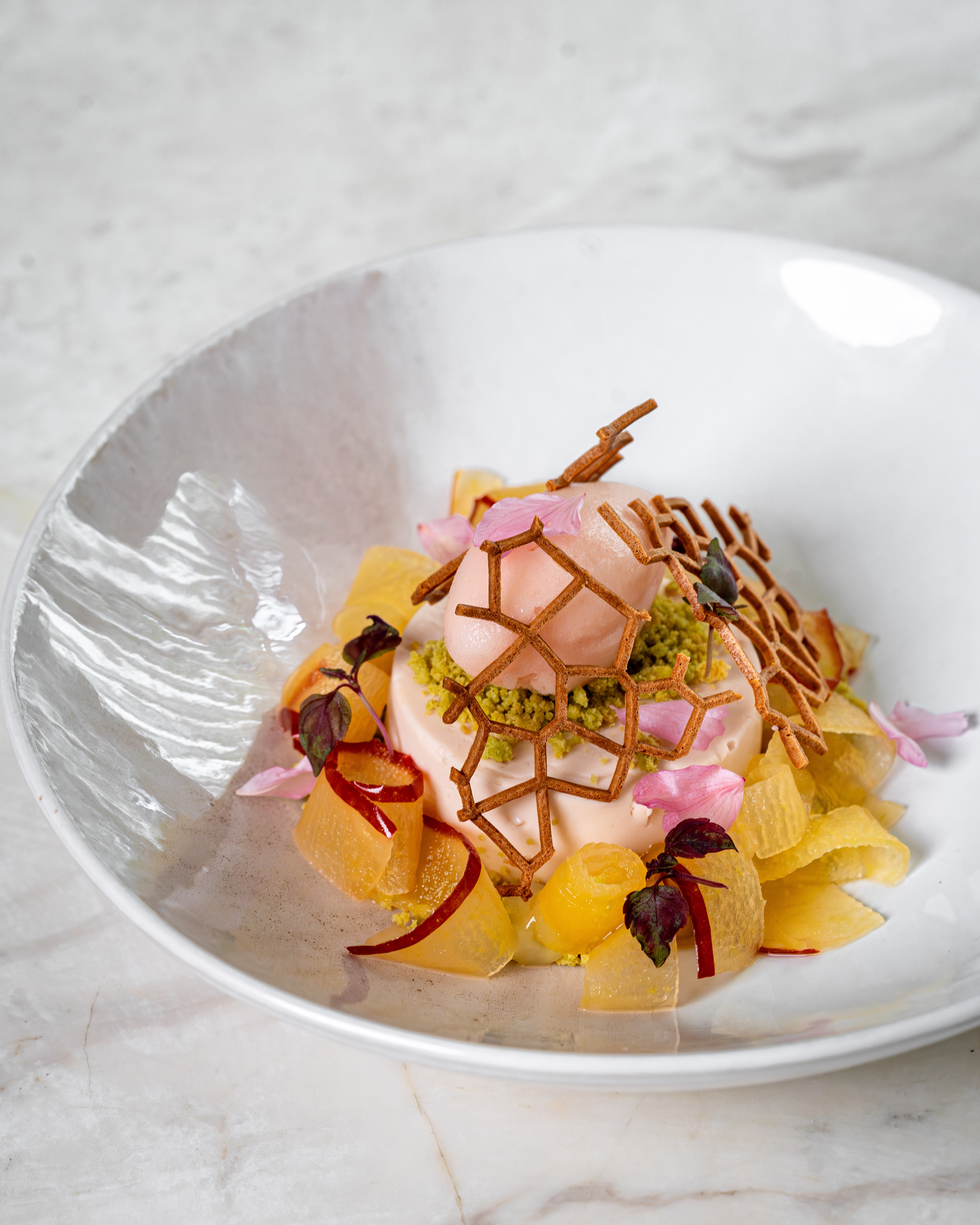
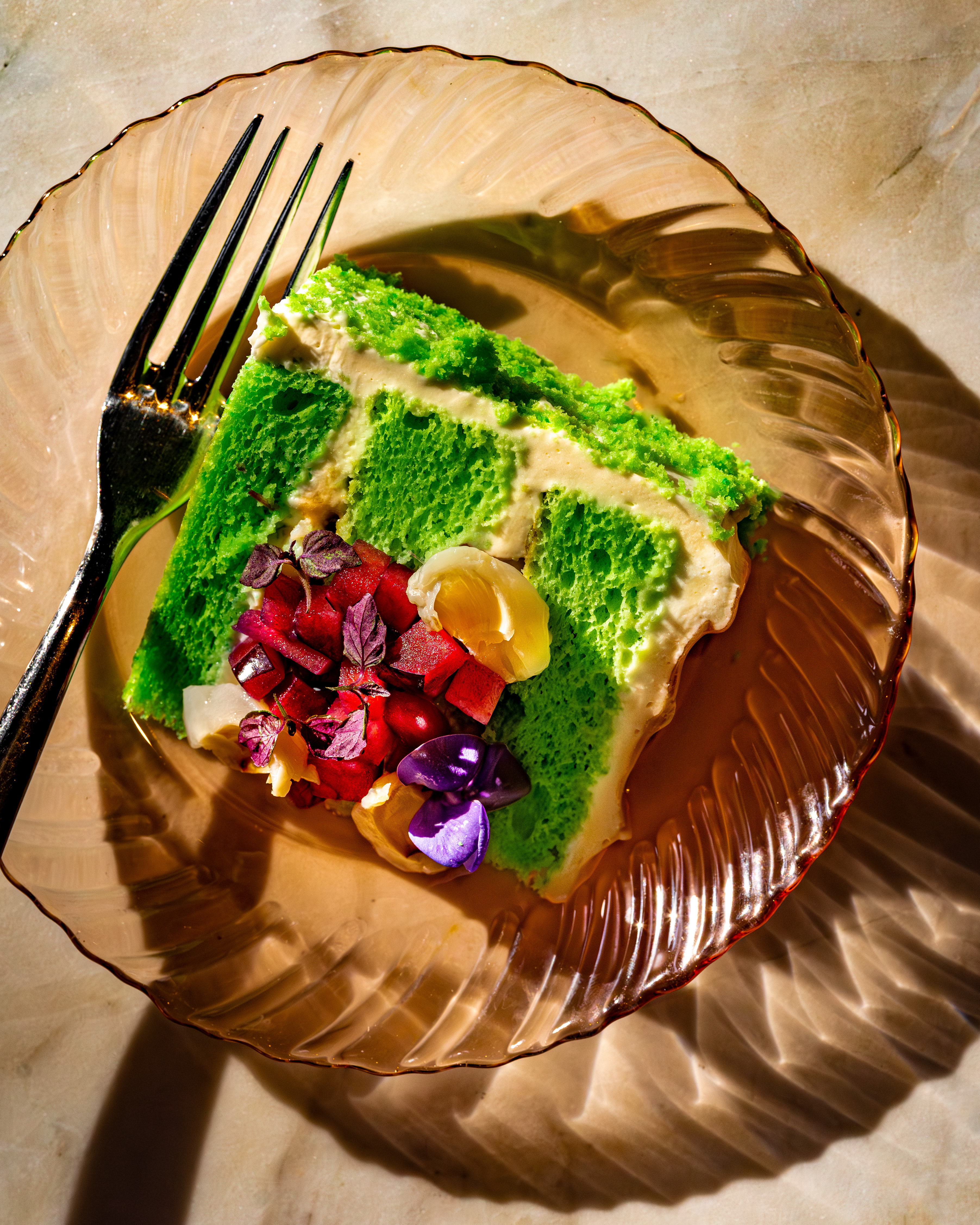
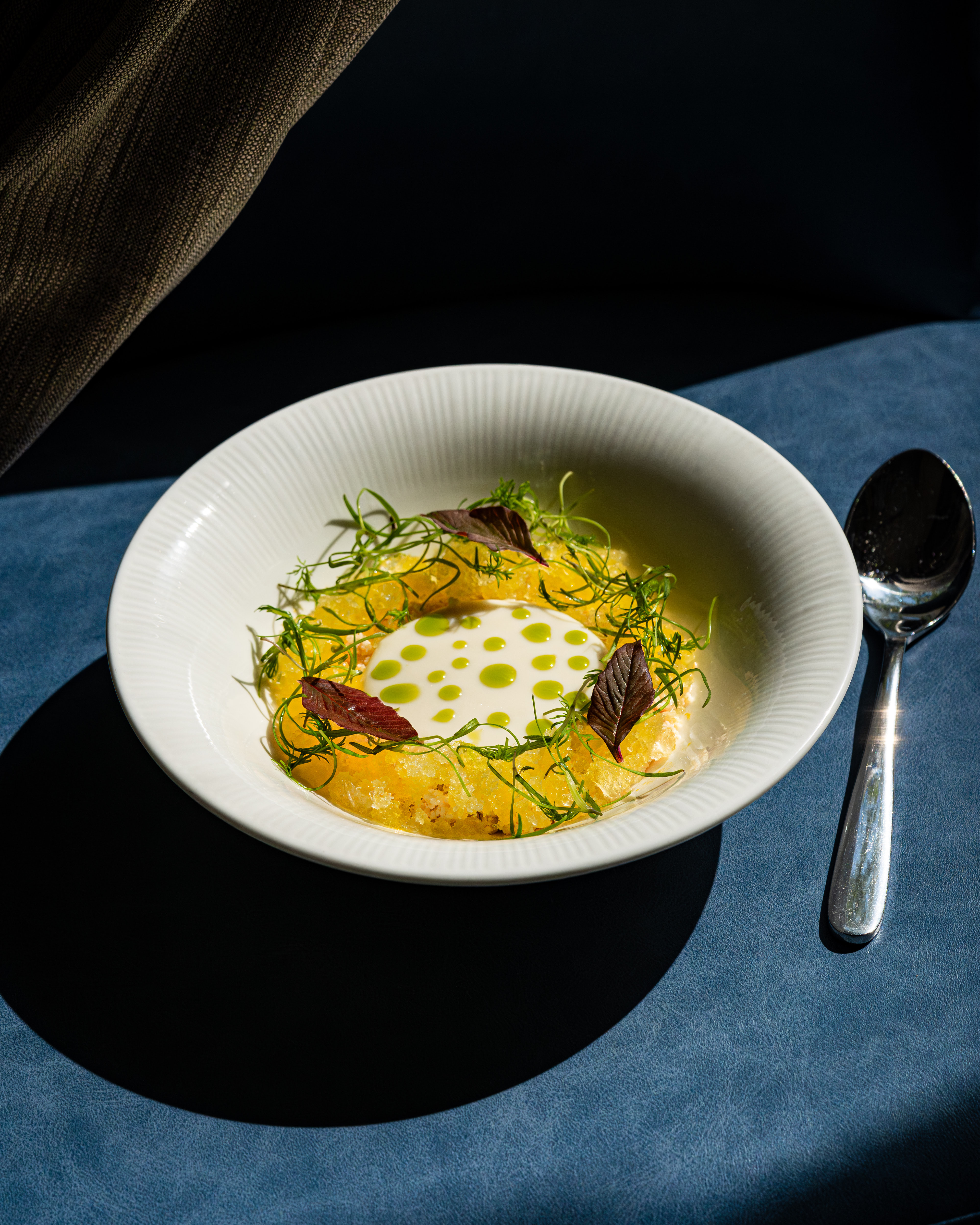
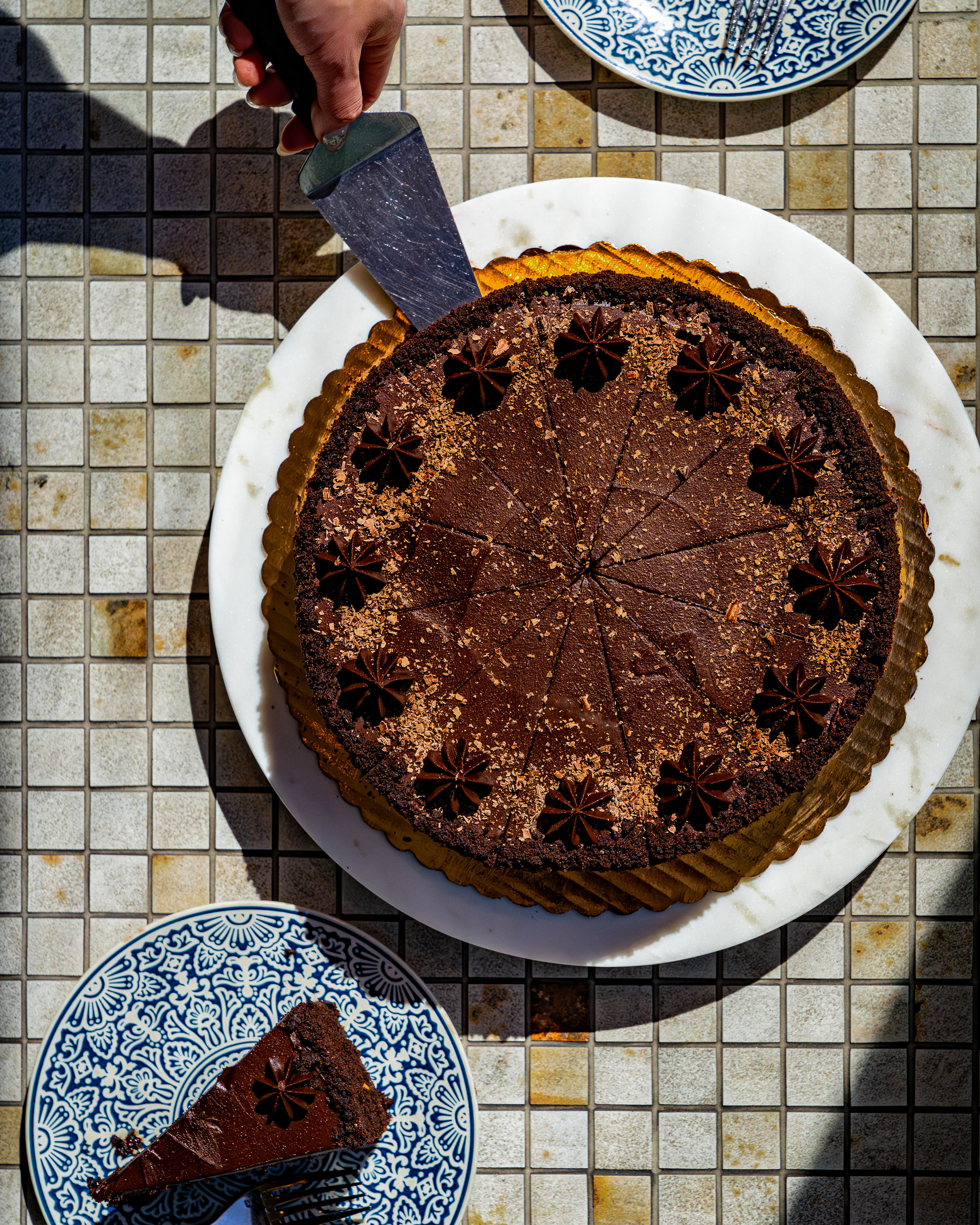
Bae’s desserts are nothing short of prismatic. She possesses a rare, almost puckish ability to take the pungent staples of the Southeast Asian larder and, through her lens, render them vibrantly sweet. For instance, on the dessert menu right now is a green curry sponge cake with avocado sorbet, soursop mousse, and fish sauce caramel.
The world has taken note. Bae stands as a 2024 and 2025 James Beard Foundation finalist and is once again a finalist for outstanding pastry chef for the 2026 Awards. She was also named North America’s best pastry chef of 2025 by World’s 50 Best. Yet, her impact radiates far beyond these accolades. A dedicated advocate, she has poured her energy into Chefs Against AAPI Hate and collaborated with The Asian American Foundation (TAAF) to foster visibility and empowerment for her community.
In baking, proofing is the essential time where the dough finds its strength to rise; in Susan’s desserts, one can taste a different kind of proof. There is the proof of her parents’ love, the technical proof laid by her teachers, and the proof of camaraderie with her all-female pastry team. Here, the rise is collective.
Chef Bae spoke with Timid about her culinary journey and finally finding her sense of self and found family at Moon Rabbit.
Susan Bae: It was a dessert at a restaurant called Red Medicine in LA. Jordan Kahn had just opened it, long before his projects Vespertine and Destroyer. He made a dessert that looked exactly like a terrarium. I was in complete awe that something so beautiful could also taste good and be a dessert. His work has been a major inspiration in how I create food myself.
SB: In terms of who pushed my drive, I’d say my first chef, John Park. It was my first job out of culinary school. He taught me everything I know about Southeast Asian flavors while we worked for Chef Sang Yoon at Lukshon. He also taught me discipline, which was vital. I remember struggling a lot; I’d sit in two hours of traffic heading into work crying, and I’d leave feeling defeated and awful.
One day he sat me down and said, "I know this is hard and I’m tough on you, but I promise you, everywhere you go after this will be easier." At the time, I didn't appreciate it, but looking back, I think of those moments fondly. My second mentor for creativity was Kevin Meehan from Kali. He helped me build trust and confidence in myself by giving me full rein over the pastry program.
SB: At Kali, I was creative, but I was still discovering my identity. I don't think I truly found my style until I started working with Kevin [at Moon Rabbit]. After leaving the Intercontinental Hotel, we were in a limbo phase doing pop-ups and trying to figure out how to start up our own restaurant. At that moment, I just thought, "F— it, I’m going to do weird stuff and make whatever I want." It was an experimental phase that helped me have faith in my own style of integrating savory and sweet. That catapulted me into the style I have now.
SB: We had been Instagram friends for years. I had watched his journey from afar and saw how creative he was. He took a leap of faith and reached out, saying, "I don’t even want you to do a tasting; I just want you to come." I knew just by watching him that he would inspire me and help me grow. Even now, I’m mesmerized by his creativity and his willingness to push forward. We’ve built a level of trust that is quite special for chefs and partners.
SB: It starts with one fruit or one spice or one dish that I really enjoy, and then I play off of that. And then other times, it’s memory. I’ll go somewhere and have something that tastes really good. It could be anything. From there I kind of segue into pairing with a second ingredient. Then I just kind of add and build layers based on my knowledge of food and flavors. If it doesn’t turn out great the first time around, I’ll R&D it. Of course, we factor in seasonality, sourcing, and whether it’s possible to execute in our space. Then, does it fit our ethos? How can we integrate more Asian or Vietnamese flavors? That’s very important. If it’s not doable, we’ll scratch it. But most of the time, we can lean into it and make it happen.
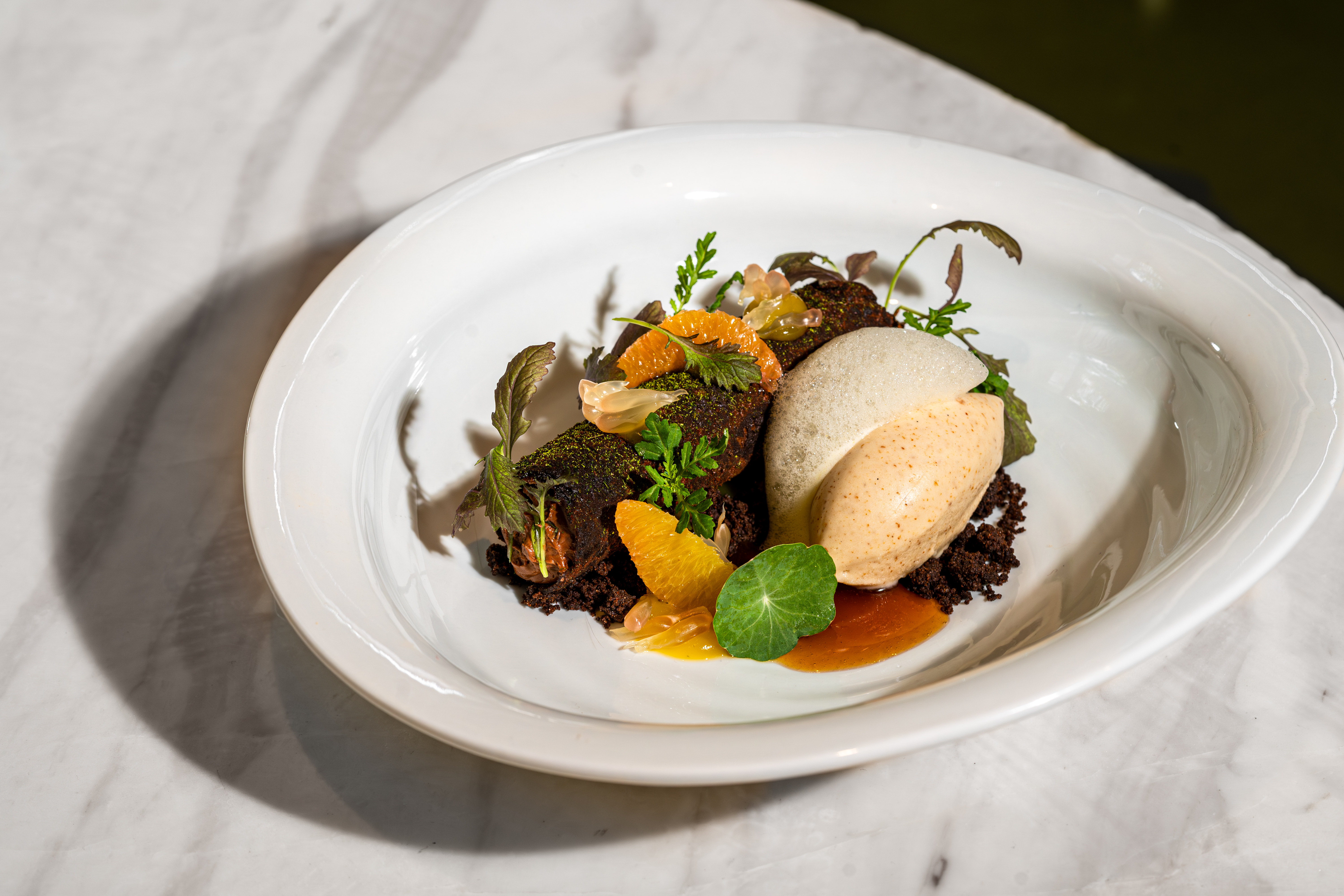
SB: Exactly. You see it all the time in Asia—salted duck egg on crackers, pork floss on sweet buns, seaweed snacks. To the American palate, it seems far off, but for us, it’s very common.
SB: There’s a Korean company called On Berries. Their strawberries are the most delicious I’ve ever had. They almost taste like cantaloupe. They just started a greenhouse here after importing from Korea, so they won't be ready until September. I’m obsessed, but I can’t have them yet.
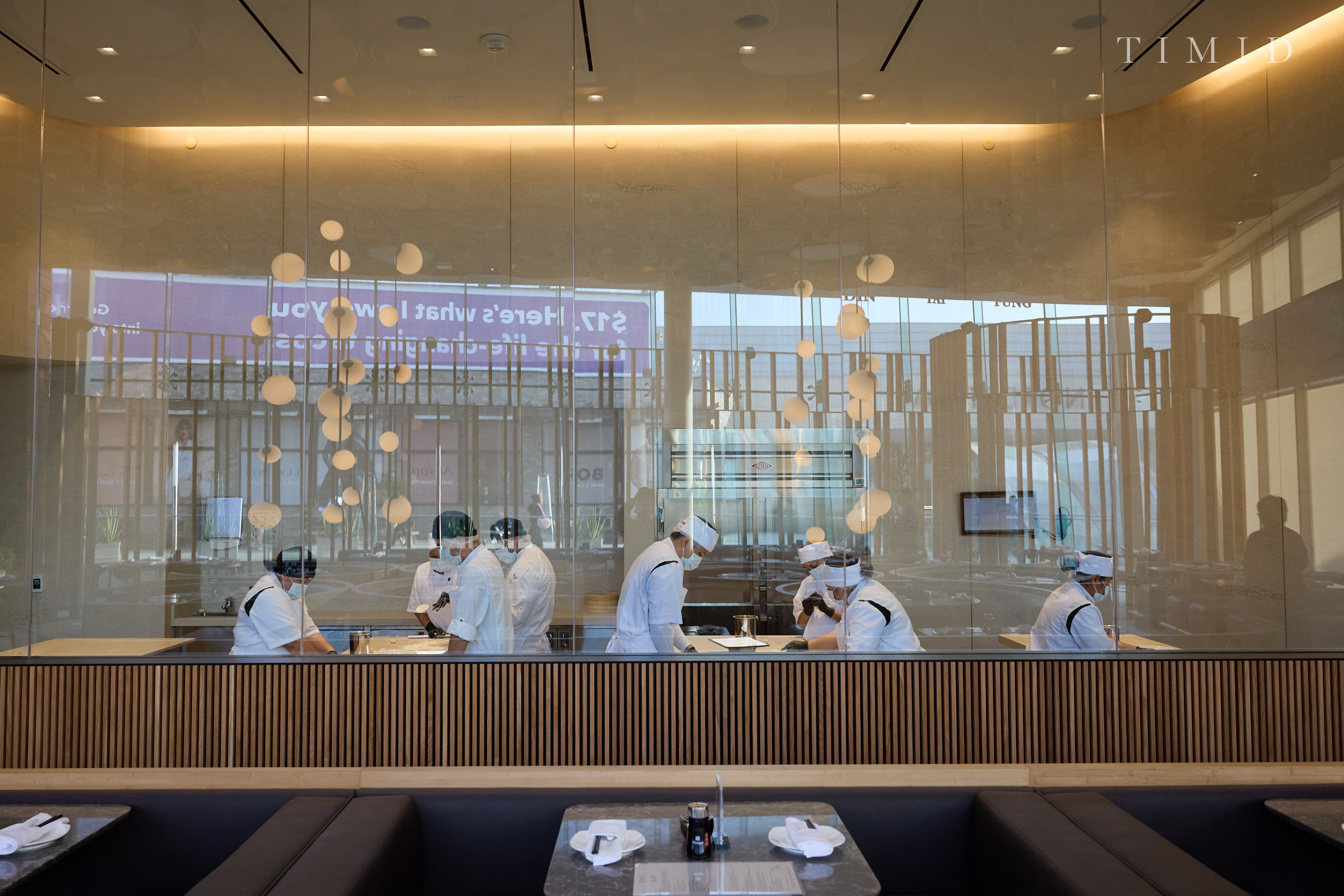
SB: I chose to build an all-female team because throughout my career as a chef, there just weren’t very many women in the kitchen. I think being in a male-dominated kitchen every single day can feel very brute and aggressive at times. As women, that kind of energy isn’t always natural to us. We can act in those ways, but it doesn’t feel great. So oftentimes, when I was working, I felt very alone or like I couldn’t fully be myself and express my femininity or my emotions. With any well-run environment, there’s a huge importance in having polarity. Masculine energy is great for getting things done—executing and making sure everything is tight—but there’s also the feminine aspect, where women help inspire creativity. There’s more thoughtfulness and planning.
I wanted to give my kitchen and my cooks the space to lean on each other, to support one another, and to inspire creativity—to work together instead of against each other. That’s what gets you through the day, especially in a kitchen where things can be exhausting and intense. Of course, ego can come up no matter what, but at the end of the day, there’s much more understanding and support. I think they appreciate being in that kind of environment, especially because it’s still very difficult to find in male-dominated kitchens. They’re all friends outside of work too, which makes the team stronger. There’s a sense of familiarity, and because of that, we’ve been able to build a really successful pastry program. We bounce ideas off each other, we learn from each other, and we support each other. Even the women on the savory side will sometimes come hang out in pastry, because it just feels different. That sense of belonging in a space is really important.
SB: I actually lost my family at a pretty young age. I lost my dad when I was 25, and then my mom at the start of COVID. My sister passed away a couple years after, so having people around me who supported me in the way that family does was so important to me. In that moment, I had lost my inner circle and my little bubble of community.
Kevin and Judy were instantly like, “Oh, you’re family to us.” We’ve built a relationship with each other, and we’ve had to build trust. I think in losing my family, and growing up Asian American, I didn’t really embrace my Asian heritage very much. I felt like I had lost a chunk of my identity that I had rejected for so long after I lost my family.
So now, Kevin, Judy, and I—we’re all kind of learning and re-adopting our Asianness. We are really leaning into being Asian—being Vietnamese, being Filipino, being Korean—things that we didn’t fully embrace growing up. We’re essentially relearning how to be Asian, and we’re doing it together. I think that’s the most wonderful and beautiful thing because we’re able to do that together, to foster that, and to be okay with it. We’ve chosen each other to really step into that identity—or it’s always been an identity, but now more than ever, we’re embracing it together. It feels like family.
SB: My publicist, Holly, has been pushing me to do competitions for a long time. I’m camera shy. They are daunting because you never know what will be thrown at you. However, lately, I’ve actually considered it. I’m becoming more open to new things because it’s an experience I haven’t accomplished yet. If it’s an opportunity to learn and grow, I’m curious.